
Every time I bring a friend to the game of Magic the Gathering there is the inevitable time when they ask how to play. While there are some great guides online in video, audio and text form, as well as things like Magic Arena, I wanted to be able to provide a resource for those new players who may feel overwhelmed. This is that attempt.
So first things first, this is the worlds most complicated game, you are signing up to use your brain, but also… it is a lot of fun. If things are not making sense in the beginning, that is normal, and it will get easier.
First you will need a deck, depending on what format you are playing they will vary in size and construction. We are not going to worry about that for now. Your friends most likely have one you can use.
Unlike other guides, this is going to walk you through what to do on a turn, almost like playing a board game. The nuances of magic are too numerable to cover in something like this. So just know, as you learn more of the game, you will out grow this quickly. This guide is meant to get you at a table and playing as fast as possible. That is really the best way to learn.
1. The Goal of the Game
The standard goal is to reduce your opponent’s life total from 20 to 0 before they do the same to you, using spells, creatures, and artifacts to do so. Other win conditions exist but are more advanced. Some cards may even say if you do X you win the game.
2. The Deck
You need a deck of at least 60 cards for most formats (like Standard or Modern), or 100 cards in the Commander format. Cards include:
- Land cards (used to generate mana)
- Creature cards (used to attack and block)
- Instant and Sorcery cards (one-time spells)
- Artifact and Enchantment cards (long-lasting effects which resolve )
- Planeswalker cards (powerful allies with special abilities)
3. The Turn Structure
Each player takes turns. A turn has these phases:
- Untap – You untap your cards so they can be used again.
- Upkeep – Trigger any effects that happen at the start of your turn.
- Draw – Draw one card.
- Main Phase – You can play a land and cast spells.
- Combat Phase – You can attack your opponent with creatures.
- Second Main Phase – Like the first, you can cast more spells.
- End Step – Turn ends, and effects that last “until end of turn” expire.
4. Mana and Casting Spells
- You use mana to cast spells.
- Tap land cards to generate mana.
- The mana cost is in the top right of each card. Use the mana symbols on the lands to match the mana symbols on the spell cards to determine their cost.
- Numbers in grey circles can be paid with any color mana including colorless.
- You must match the exact colors and amount of mana to cast a spell.
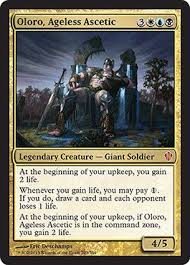
To cast Oloro, you would need to pay 3 mana of any color, 1 white mana, 1 blue mana and 1 black mana.
5. Attacking and Blocking
- You attack during your combat phase by tapping your creatures. Creatures that entered the battlefield this turn cannot attack unless they have an ability like haste (which allows them to bypass this rule)
- Your opponent can block with their untapped creatures. Creatures that entered the battlefield on their controllers last turn can block.
- Each creature has power (left number) and toughness (right number). For example, a 3/2 creature deals 3 damage and can take 2 before dying.
- Damage to creatures is removed at the end of the turn. So a creature with 2 toughness can take one damage per turn indefinitely and not die.
6. The Stack
Spells and abilities go on “the stack,” meaning they resolve in last-in, first-out order. This allows players to respond to each other’s actions.
(Priority) – Before any spell is resolved from the stack each player gets a chance to respond to it, this is referred to as having priority. This is when you can cast spells such as instants or cards with flash in order to stop/kill a creature/remove another permanent or otherwise hinder your opponents game plan.
Player one casts a creature spell on their turn it goes on the stack. All players in turn order get a chance to respond. If there are no responses the creature spell resolves. The creature is put on the battlefield
Commander – Alternate format
In Commander, each player starts with 40 life, and you build a deck around a legendary creature (your commander). This format is usually played with 3–4 players and emphasizes longer, more political games.
Game Setup
Draw 7 cards each time you mulligan, then put a number of cards equal to your mulligans on the bottom of your library in any order.
Shuffle Your Deck
Make sure it’s randomized thoroughly.
Decide Who Goes First
Roll a die or flip a coin. Winner chooses whether to play or draw first.
In most formats, the player who goes first doesn’t draw on their first turn. In Commander, the player who goes first does draw on their first turn.
Draw Opening Hands
Each player draws seven cards.
You may take a mulligan. In most formats, the London Mulligan is used: Draw 7 cards each time you mulligan, then put a number of cards equal to the number of mulligans you have taken on the bottom of your library in any order. In Commander, you you get one free mulligan in which you can shuffle and then keep all seven new cards. After the first mulligan however, commander follows the same rules as other formats.
This is all you need to sit down and get playing. Good Luck, Have Fun! What comes after this is some additional information that can be helpful as you try to advance your strategies.
In Magic: The Gathering, there are several different card types, each with unique rules and functions. Here’s a breakdown of the main card types:
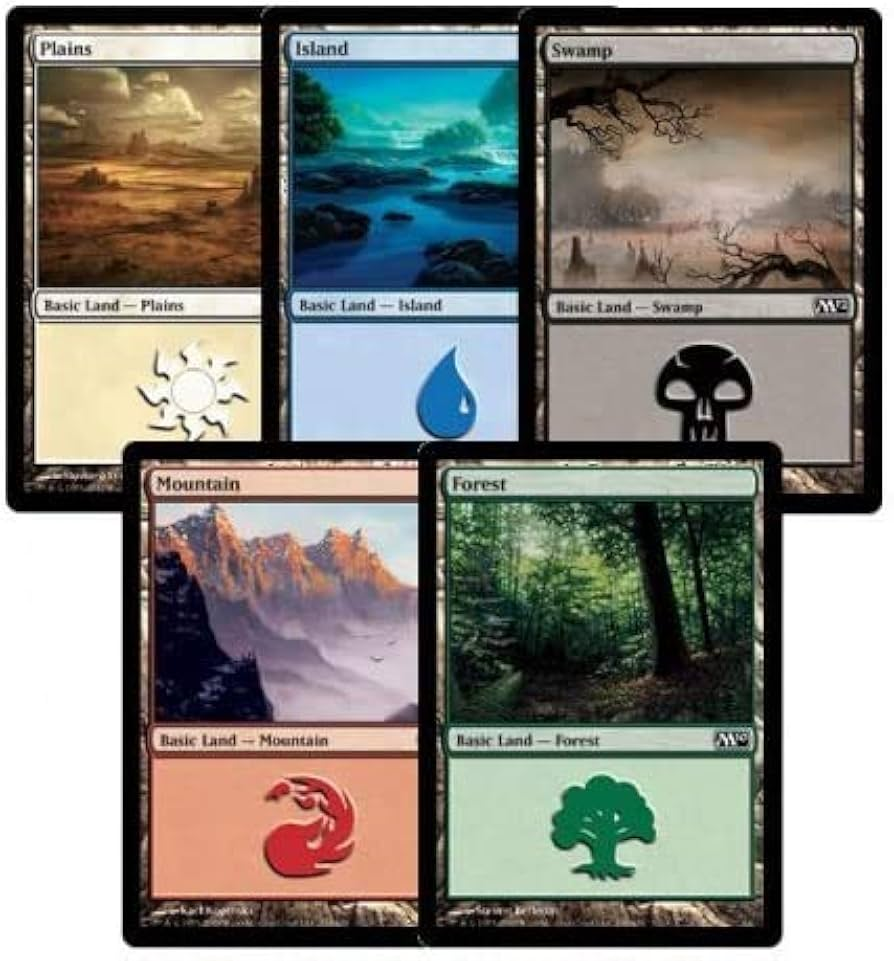
🔹 1. Land
- Purpose: Provides mana, the resource used to cast spells.
- Common Types:
- Basic lands: Plains, Island, Swamp, Mountain, Forest.
- Nonbasic lands: Have special abilities or produce multiple types of mana.
- Rules: You can play only one land per turn.
🔹 2. Creature
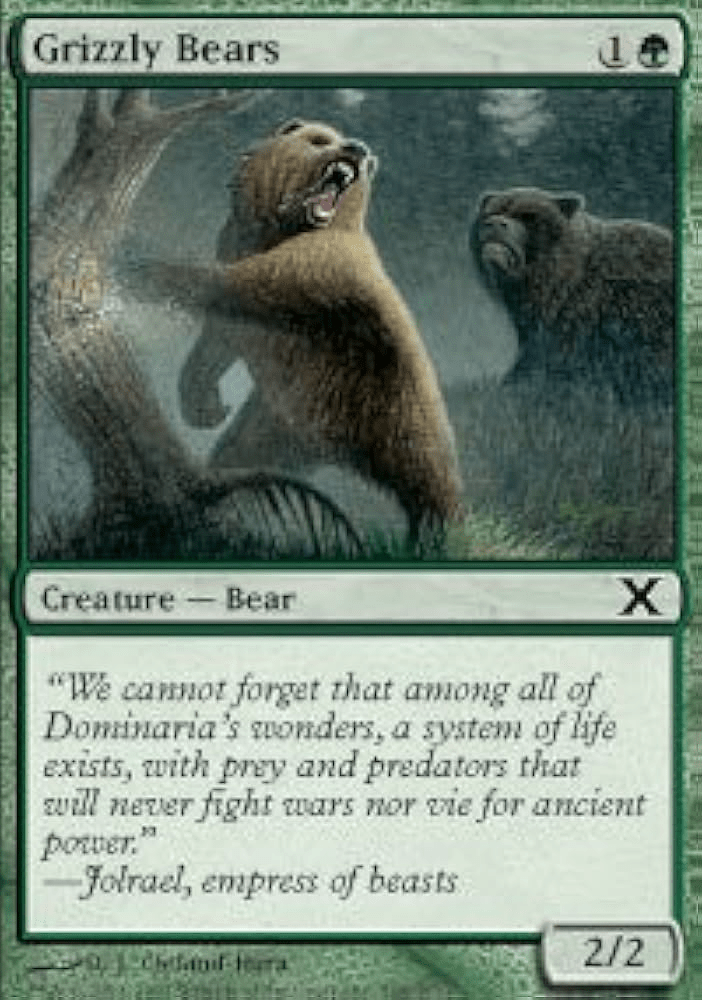
- Purpose: Attack, block, and use abilities to affect the game.
- Abilities: Listed in the text of the card.
- Power (left number): Damage it deals.
- Toughness (right number): Damage it can take before dying.
- Combat Role: Core to most decks’ offense and defense.
🔹 3. Instant
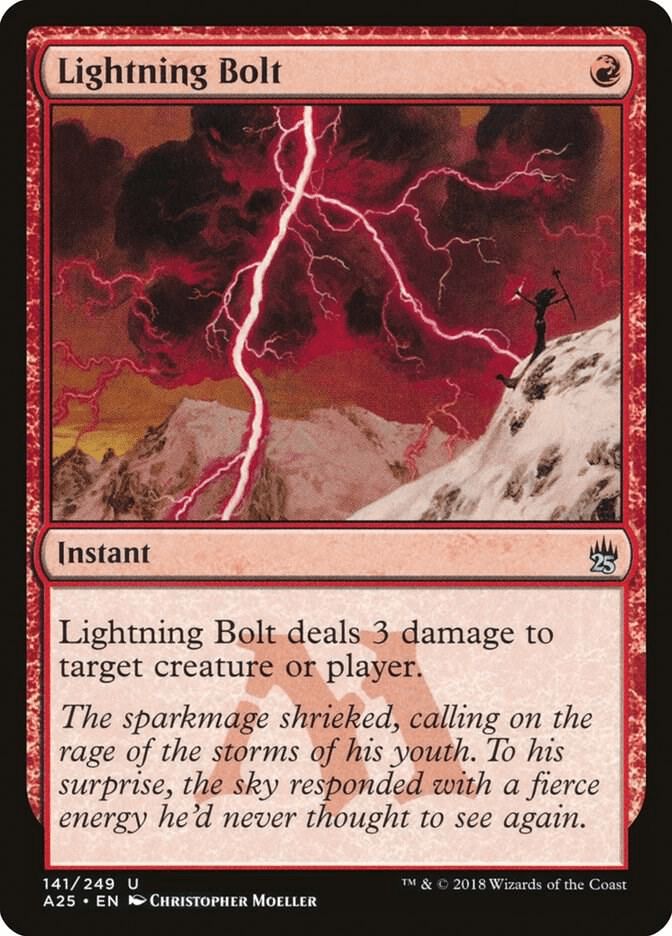
- Purpose: Cast at any time, even during your opponent’s turn.
- Use: Reactions – Pumping creatures power or toughness, countering a spell, destroying another permanent on the battlefield.
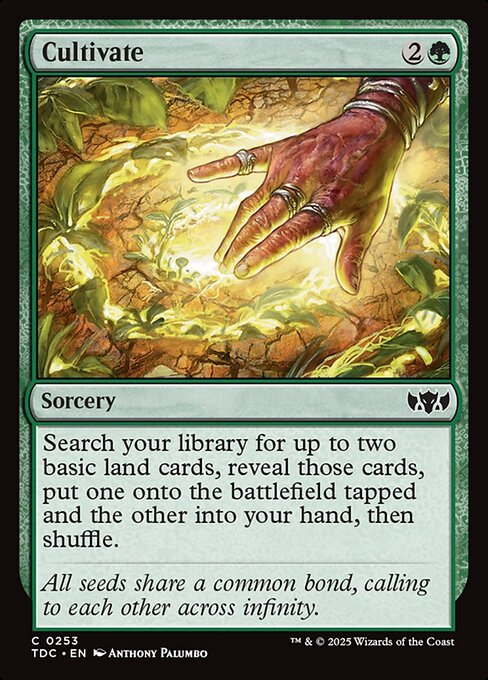
🔹 4. Sorcery
- Purpose: Powerful effects, but can only be cast on your turn during your main phase.
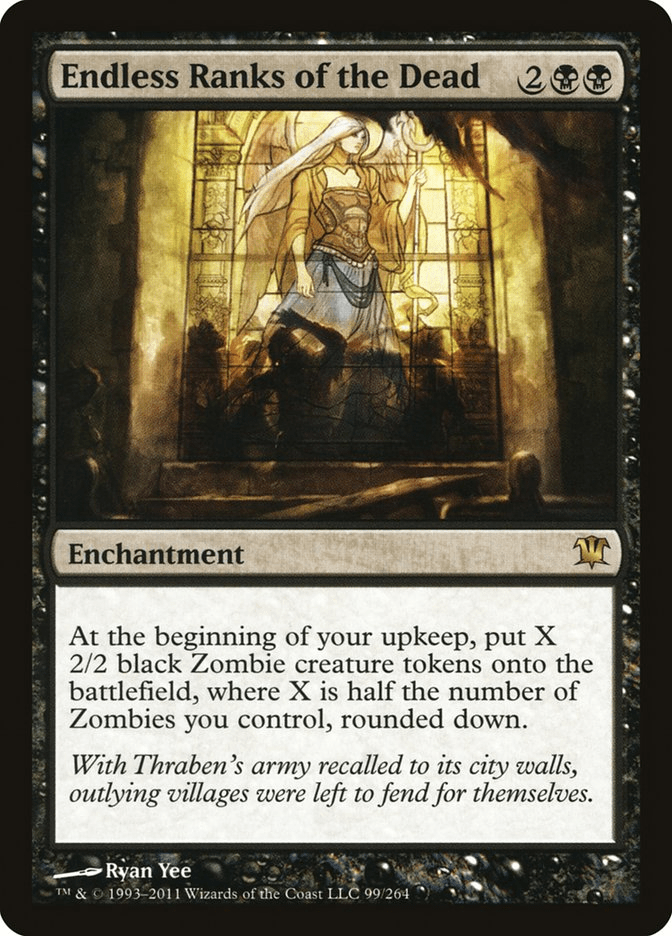
🔹 5. Enchantment
- Purpose: Ongoing magical effects.
- Auras – Attach to a creature or other permanent.
- Global enchantments – Sit on the battlefield and affect the game broadly.
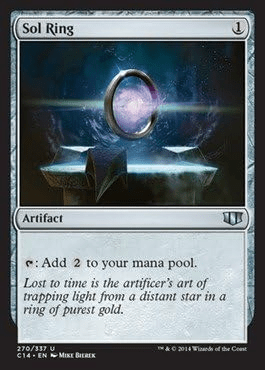
🔹 6. Artifact
- Purpose: Magical items or machines.
- Properties: Usually colorless. Can be equipment, vehicles, or just powerful effects.:
- Equipment – Can be attached to creatures to boost them.
- Vehicles – Require creatures to “crew” them to become creatures themselves.
- Basic Artifacts – Sit on the battlefield and affect the game broadly.
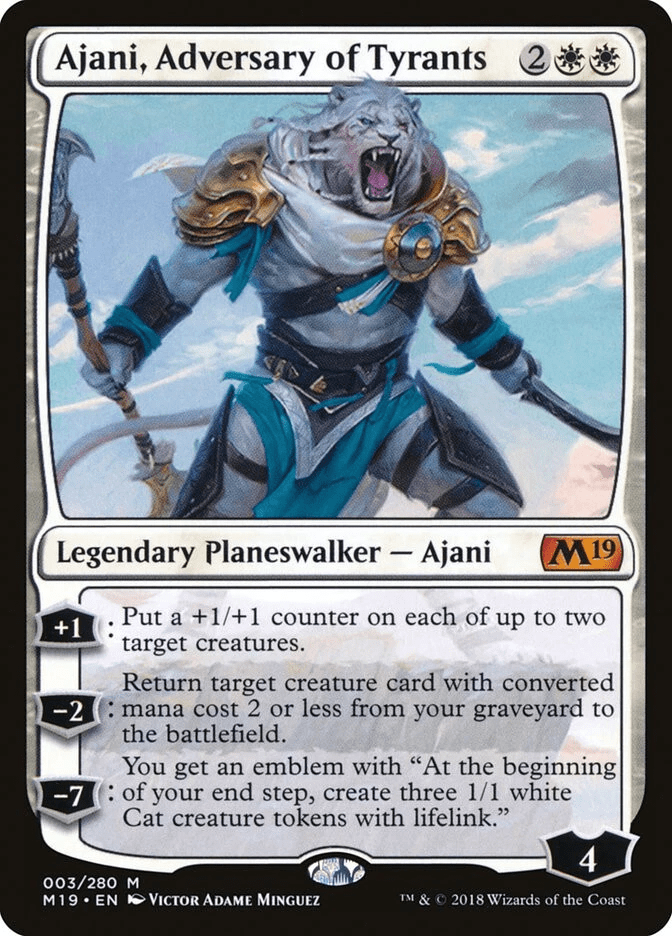
🔹 7. Planeswalker
- Purpose: Powerful allies with loyalty abilities.
- Rules:
- Enter with a number of loyalty counters.
- You can activate one ability per turn
- Opponents can attack Planeswalkers instead of you. Damage dealt to Planeswalkers removes Loyalty Counters
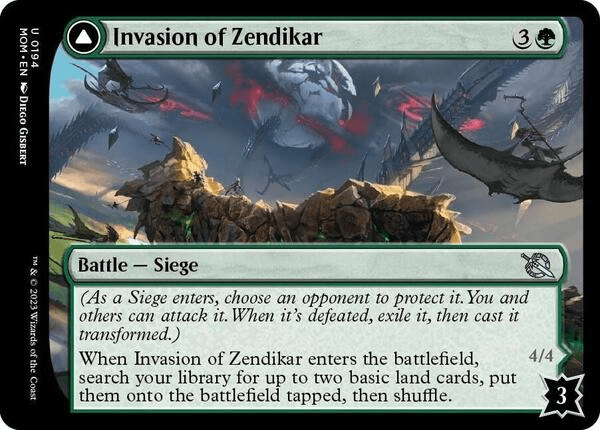
🔹 8. Battle (newer type, introduced in March of the Machine)
- Purpose: A new card type that comes with its own rules.
- Subtype: Most are Siege battles.
- You attack them like Planeswalkers, and when defeated, they flip into a powerful effect or creature. They are defeated when they take an amount of damage equal to the number in the bottom right conner.
In Magic: The Gathering, a permanent is any card or token that stays on the battlefield after it resolves.
🔹 What Counts as a Permanent?
These card types become permanents when they resolve and enter the battlefield:
| ✅ Permanents | ❌ Not Permanents |
|---|---|
| Land | Instant |
| Creature | Sorcery |
| Artifact | |
| Enchantment | |
| Planeswalker | |
| Battle (newer type) | |
| Tokens (of any type) |
💡 Key Rule:
“Permanent” refers to the physical object on the battlefield, not the card type in your hand or library.
Example:
- A creature spell is not a permanent while on the stack.
- Once it resolves and enters the battlefield, it becomes a permanent.
🔹 What About Tokens?
Yes, tokens (like a 1/1 Soldier or a Food token) are also considered permanents. They exist only on the battlefield and disappear when they leave it.
🔹 Why This Matters
Many cards care about permanents:
- “Destroy target permanent” – Can destroy any land, creature, Planeswalker, etc.
- “Return all nonland permanents to their owners’ hands” – Leaves lands untouched.
- “You control X permanents” – Counts all your lands, creatures, tokens, etc.
In Magic: The Gathering, exile and destroy are both ways to remove cards from the battlefield, but they work very differently and have distinct implications in gameplay.
⚔️ Destroy
- What it does: Sends a creature, artifact, enchantment, etc., to the graveyard.
- Keyword: Often used with “destroy target [type]”.
- Affected by: Indestructible creatures or effects that prevent death.
🔁 Can the card come back?
- Yes, if the graveyard is targeted (e.g., reanimation spells), or the creature has “dies” triggers.
❌ Exile
- What it does: Removes a card from the game entirely (puts it in the exile zone).
- Bypasses: The graveyard. The card doesn’t “die.”
🔁 Can the card come back?
- Usually no, unless a card specifically says to return it from exile (e.g., Flicker effects or Reconstruct History effects).
💡 Example Interaction
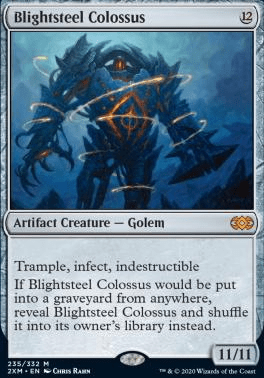
- You want to remove an indestructible creature (like Darksteel Colossus):
- Destroy won’t work.
- Exile will.

 Osogladiator
Great simple read/instructions. Nice format.
Sent from AOL on Android
LikeLike