
Over the past few years, Magic: The Gathering has undergone a cultural shift. Between the explosive growth of crossover products under the Universes Beyond banner and the relentless climb in secondary-market card prices, the community conversation around proxying has changed dramatically.
What was once controversial—or even taboo in many playgroups—is increasingly viewed as practical, inclusive, and sometimes necessary.
Let’s explore why.
The Rise of Universes Beyond
When Wizards of the Coast introduced Universes Beyond, the idea was simple but bold: bring outside intellectual properties into Magic’s mechanical framework. Since then, we’ve seen collaborations with franchises like: Warhammer 40,000, Lord of the Rings and Doctor Who
These releases brought waves of new players into the hobby—fans of the franchises who might never have touched a Magic card otherwise. That’s great for growth. But it also introduced a new tension: mechanically unique, sometimes powerful cards tied to limited-print, premium products.
Unlike traditional in-universe Magic sets, some Universes Beyond cards, were printed primarily in pre-constructed Commander decks. This meant they had had limited availability window and often contained unique mechanics not easily reprinted in Standard-legal sets.
This created immediate scarcity pressure.
Scarcity + Demand = Price Spikes
The secondary market has always been part of Magic culture. Reserved List staples, competitive format all-stars, and iconic Commander pieces have long commanded high prices. But Universes Beyond accelerated the problem in two ways:
Cross-fandom demand – A Warhammer or LOTR collector might want the card even if they don’t play Magic.
Commander popularity – Casual EDH players suddenly wanted specific crossover legends or staple reprints.
It’s not uncommon now for:
Premium crossover singles to hit $40–$100+ shortly after release.
Competitive staples across formats to sit permanently in the $50+ range
Legacy/Vintage staples to be financially out of reach for most players
For newer or budget-conscious players, the barrier to entry keeps rising.
The Cultural Shift Around Proxying
Proxying—using unofficial substitutes for cards—used to carry heavy stigma. I even had my own opinions on it which have evolved. In many circles, it was associated with counterfeiting, “not playing the game as intended” or somehow devaluing the cards of your opponents they may have paid a premium for.
Today, the conversation is different.
Many playgroups now openly allow:
Playtest proxies for expensive staples, full-deck proxies for Legacy or cEDH and high-quality custom art proxies for personal decks
Why the change?
Commander Is Social First
Commander (EDH) is now Magic’s dominant format. Unlike sanctioned competitive events, Commander is primarily played in casual, self-regulated pods.
The core question has shifted from:
“Is this tournament legal?”
to:
“Is everyone having fun?”
If one player can afford a $3,000 deck and another can’t, proxies level the playing field. Even in games where lower power levels allow for more budget friendly magic, proxies can give players access to rare or older cards they have always wanted to play with, but were priced out due to rarity.
Universes Beyond Broke the Purity Argument
For some longtime players, proxying once felt immersion-breaking. Magic had a cohesive fantasy multiverse.
But once Space Marines and Time Lords entered the battlefield, the idea of “purity” softened. If Gandalf can block a Phyrexian Praetor, is a cleanly printed proxy really the immersion-breaking element?
Universes Beyond blurred the aesthetic line—making custom art proxies feel less disruptive by comparison. Sometimes these proxies can even add to immersion by allowing on theme Warhammer 40,000 art of cards not printed in that set.
Accessibility vs. Speculation
Many players feel tension between:
Magic as a game vs. Magic as a collectible investment
As prices rise, the actual game is becoming gated by price. Proxying becomes a quiet form of protest—a way to prioritize gameplay over speculation.
It’s not about undermining creators. Many players who proxy still:
Buy sealed product, support local game stores, collect favorite cards
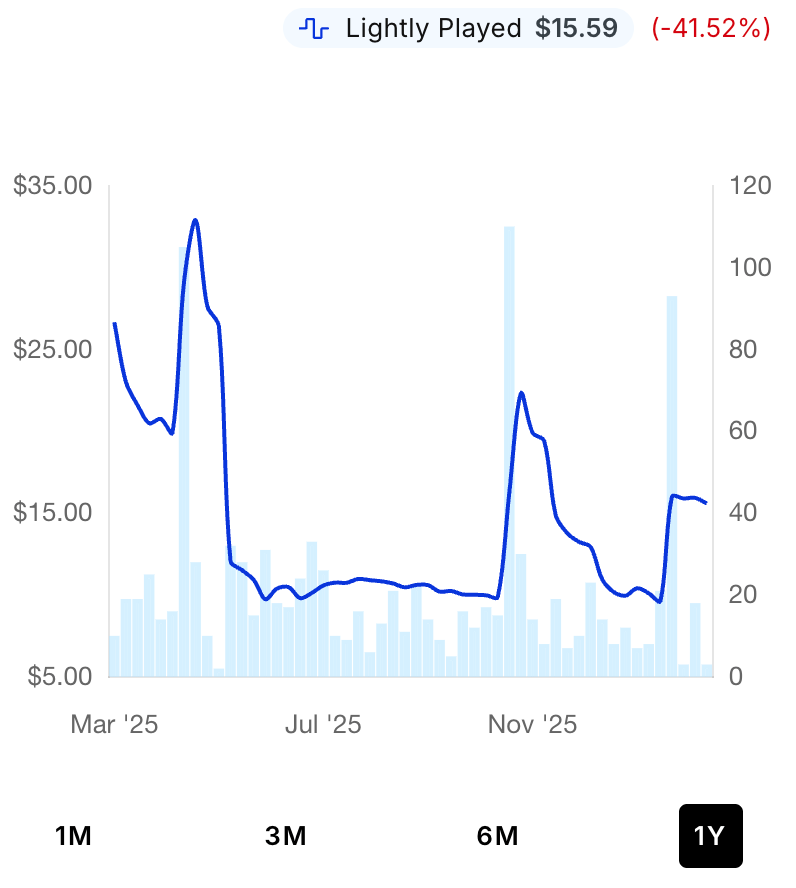
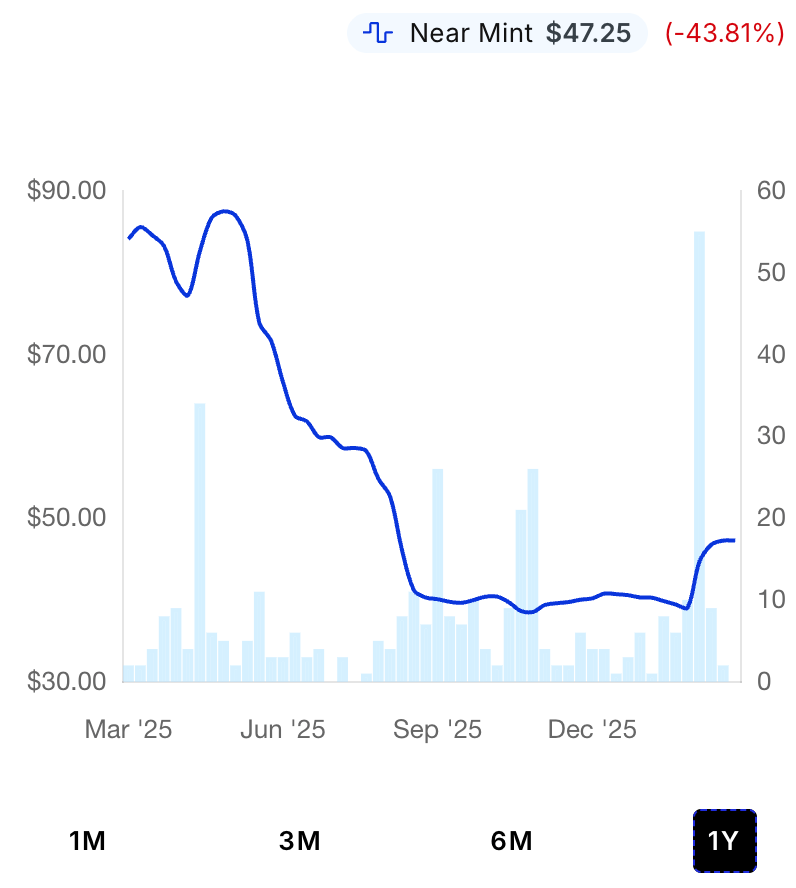
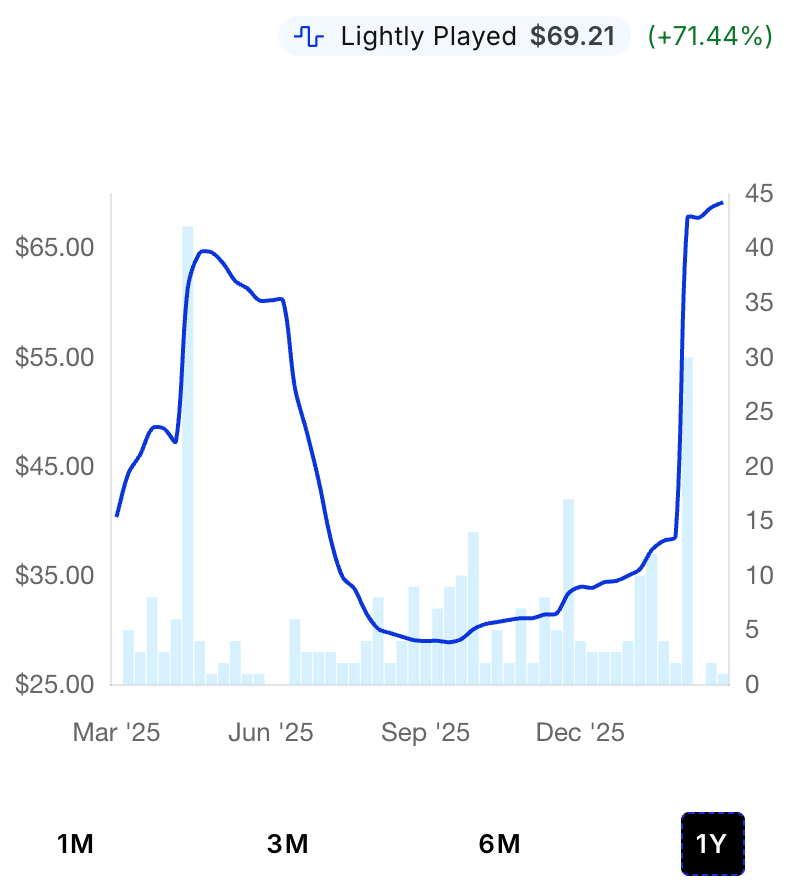
They simply refuse to pay triple-digit prices for cardboard needed to stay competitive/relative. Especially when bans or similar effects could tank the resale value of cards at any moment. The price history over the last year shows how volatile card value can be. Below are the price charts for the last year for Dockside Extortionist, Mana Crypt and Jeweled Lotus respectively (Sourced from TCG player). All recently banned.
The Official Stance vs. Community Reality
Wizards of the Coast does not permit proxies in sanctioned tournaments (outside of judge-issued replacements). That’s unlikely to change.
However, most casual Magic is unsanctioned.
Local game stores increasingly adopt pragmatic policies like Proxies being allowed in Commander night pods even if no proxies are allowed in official competitive events. There is clear differentiation between proxies and counterfeits.
The line many communities draw is simple:
Proxying for play? – Acceptable.
Counterfeiting for resale? – Unacceptable.
The Economic Pressure Isn’t Going Away
Product release frequency has increased dramatically over the past few years. Premium treatments, serialized cards, collector boosters—all contribute to a higher overall cost of participation.
Meanwhile:
Reserved List staples remain locked.
Competitive formats require multi-hundred-dollar mana bases.
Staples only hold value while they remain best in class, while power creep has cycled out many.
Crossover products continue introducing mechanically unique cards.
Unless reprint philosophy radically shifts, proxies will likely continue gaining acceptance—especially in casual circles.
I do want to call out one thing that Wizards of the Coast has done to a very small degree that I really liked, Universes within. This series I really think should be expanded, not only is it a way to get more reprints for coveted cards, but it also brings the immersion back for players who don’t really want to see a Thunderhawk Gunship from Warhammer 40,000 fighting alongside Gimli from Lords of the Rings. Hopefully this will be expanded in the future.
A Healthier Middle Ground?
The emerging norm in many communities looks like this:
Buy what you reasonably can and support your LGS. Sometimes this means just picking up a soda or snack when you go into play if you don’t need cards.
Communicate openly with your playgroup, whether you are proxying for ascetics or economic reasons, it is fair to still let the people you are playing with know. What was once a taboo topic is becoming more open and even a form a self expression, but it is still fair for someone to prefer to not have proxies at their game. They should be given the choice to opt out.
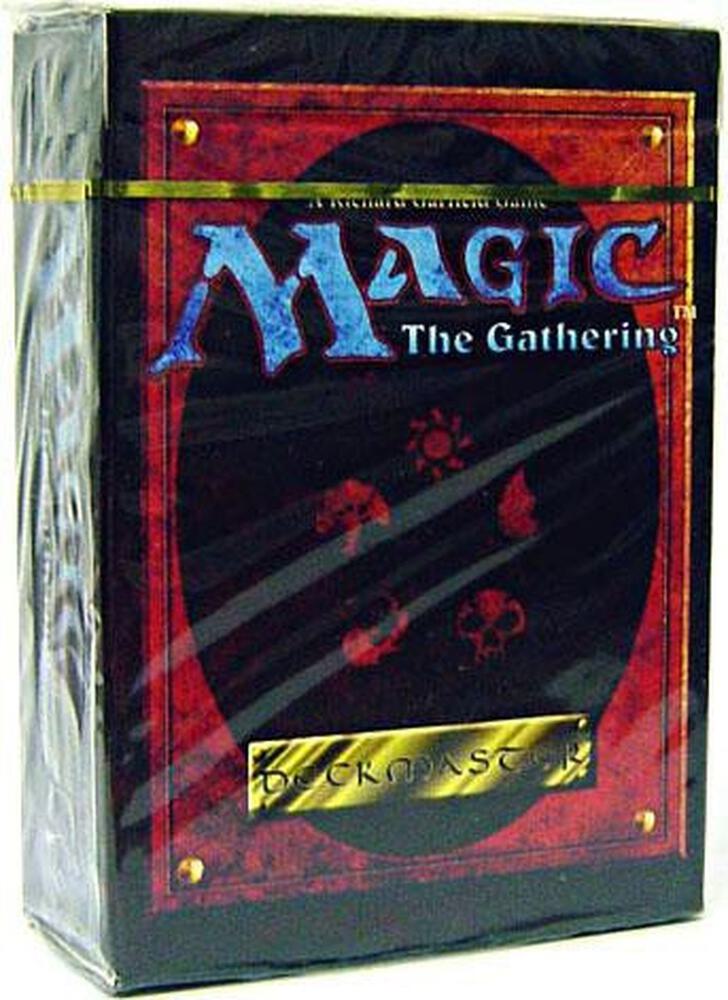
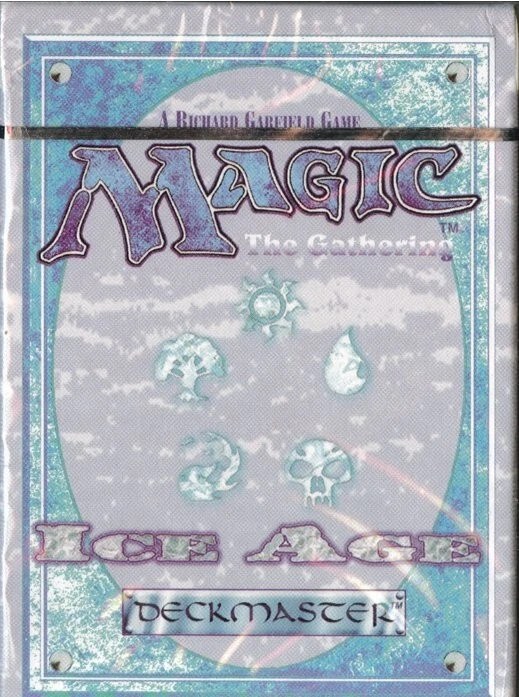
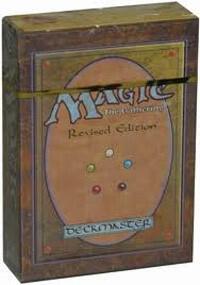
The goal isn’t to devalue collections. It’s to preserve access to the game itself. If new players are told they need to spend $100+ just to start a game this will create a barrier to entry. While some hobbies are extremely expensive, like the aforementioned Warhammer 40,000, magic used to be one of those hobbies you could get into with a $40-60 pre-con or back in the day, even starter decks.
Because at its core, Magic isn’t about the cardboard—it’s about the experience. When universes collide and prices climb, players adapt. Proxying isn’t just about saving money anymore. It’s about keeping the multiverse playable.
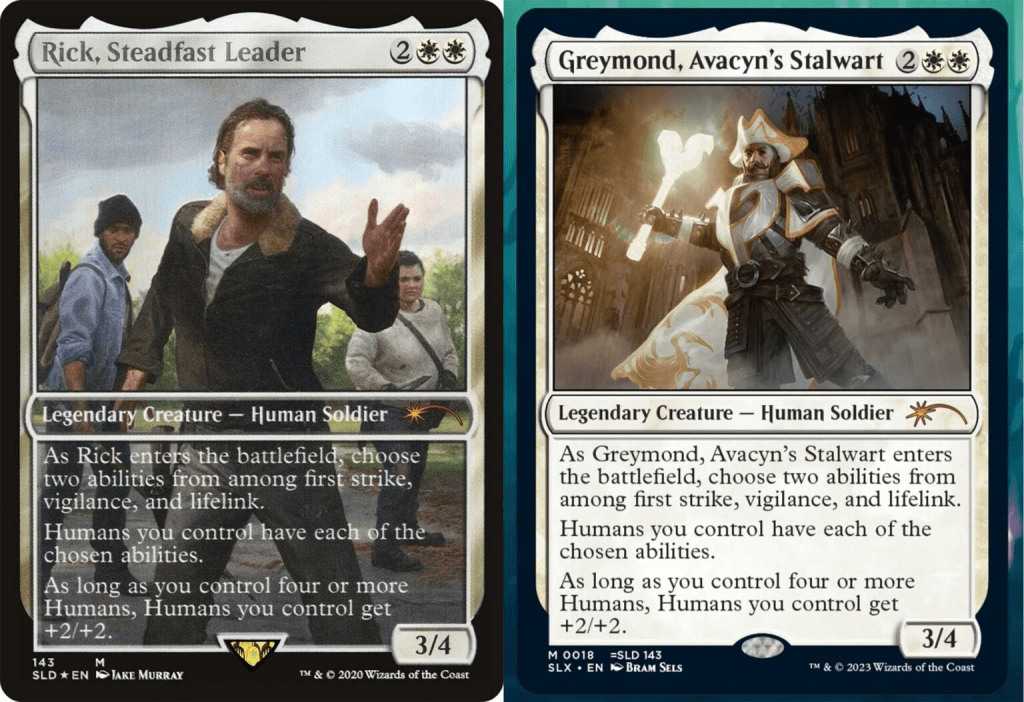
If you are looking for some examples of high quality proxies and themed art for unofficial cards I want to shout out Helm of Awakening! Strongly recommend taking a look and seeing what possibilities are out there. He also has more than proxies in the form of playmats and giveaways. Check him out! Happy Gaming!

 Osogladiator