Just a nerd from Milwaukee who likes to share his deck ideas and stories.
I am always up for feedback or to chat about the posts. You can find me on Twitter, Instagram, TappedOut, Archidekt, MTGO and MTG Arena as @OsoGladiator
Good Luck, Have Fun!
Over the past few years, Magic: The Gathering has undergone a cultural shift. Between the explosive growth of crossover products under the Universes Beyond banner and the relentless climb in secondary-market card prices, the community conversation around proxying has changed dramatically.
What was once controversial—or even taboo in many playgroups—is increasingly viewed as practical, inclusive, and sometimes necessary.
Let’s explore why.
The Rise of Universes Beyond When Wizards of the Coast introduced Universes Beyond, the idea was simple but bold: bring outside intellectual properties into Magic’s mechanical framework. Since then, we’ve seen collaborations with franchises like: Warhammer 40,000, Lord of the Rings and Doctor Who
These releases brought waves of new players into the hobby—fans of the franchises who might never have touched a Magic card otherwise. That’s great for growth. But it also introduced a new tension: mechanically unique, sometimes powerful cards tied to limited-print, premium products.
Unlike traditional in-universe Magic sets, some Universes Beyond cards, were printed primarily in pre-constructed Commander decks. This meant they had had limited availability window and often contained unique mechanics not easily reprinted in Standard-legal sets.
This created immediate scarcity pressure.
Scarcity + Demand = Price Spikes The secondary market has always been part of Magic culture. Reserved List staples, competitive format all-stars, and iconic Commander pieces have long commanded high prices. But Universes Beyond accelerated the problem in two ways:
Cross-fandom demand – A Warhammer or LOTR collector might want the card even if they don’t play Magic.
Commander popularity – Casual EDH players suddenly wanted specific crossover legends or staple reprints.
It’s not uncommon now for:
Premium crossover singles to hit $40–$100+ shortly after release.
Competitive staples across formats to sit permanently in the $50+ range
Legacy/Vintage staples to be financially out of reach for most players
For newer or budget-conscious players, the barrier to entry keeps rising.
The Cultural Shift Around Proxying Proxying—using unofficial substitutes for cards—used to carry heavy stigma. I even had my own opinions on it which have evolved. In many circles, it was associated with counterfeiting, “not playing the game as intended” or somehow devaluing the cards of your opponents they may have paid a premium for.
Today, the conversation is different.
Many playgroups now openly allow:
Playtest proxies for expensive staples, full-deck proxies for Legacy or cEDH and high-quality custom art proxies for personal decks
Why the change?
Commander Is Social First Commander (EDH) is now Magic’s dominant format. Unlike sanctioned competitive events, Commander is primarily played in casual, self-regulated pods.
The core question has shifted from:
“Is this tournament legal?”
to:
“Is everyone having fun?”
If one player can afford a $3,000 deck and another can’t, proxies level the playing field. Even in games where lower power levels allow for more budget friendly magic, proxies can give players access to rare or older cards they have always wanted to play with, but were priced out due to rarity.
Universes Beyond Broke the Purity Argument For some longtime players, proxying once felt immersion-breaking. Magic had a cohesive fantasy multiverse.
But once Space Marines and Time Lords entered the battlefield, the idea of “purity” softened. If Gandalf can block a Phyrexian Praetor, is a cleanly printed proxy really the immersion-breaking element?
Universes Beyond blurred the aesthetic line—making custom art proxies feel less disruptive by comparison. Sometimes these proxies can even add to immersion by allowing on theme Warhammer 40,000 art of cards not printed in that set.
Accessibility vs. Speculation Many players feel tension between:
Magic as a game vs. Magic as a collectible investment
As prices rise, the actual game is becoming gated by price. Proxying becomes a quiet form of protest—a way to prioritize gameplay over speculation.
It’s not about undermining creators. Many players who proxy still:
Buy sealed product, support local game stores, collect favorite cards
They simply refuse to pay triple-digit prices for cardboard needed to stay competitive/relative. Especially when bans or similar effects could tank the resale value of cards at any moment. The price history over the last year shows how volatile card value can be. Below are the price charts for the last year for Dockside Extortionist, Mana Crypt and Jeweled Lotus respectively (Sourced from TCG player). All recently banned.
The Official Stance vs. Community Reality Wizards of the Coast does not permit proxies in sanctioned tournaments (outside of judge-issued replacements). That’s unlikely to change.
However, most casual Magic is unsanctioned.
Local game stores increasingly adopt pragmatic policies like Proxies being allowed in Commander night pods even if no proxies are allowed in official competitive events. There is clear differentiation between proxies and counterfeits.
The line many communities draw is simple:
Proxying for play? – Acceptable.
Counterfeiting for resale? – Unacceptable.
The Economic Pressure Isn’t Going Away Product release frequency has increased dramatically over the past few years. Premium treatments, serialized cards, collector boosters—all contribute to a higher overall cost of participation.
Meanwhile:
Reserved List staples remain locked.
Competitive formats require multi-hundred-dollar mana bases.
Staples only hold value while they remain best in class, while power creep has cycled out many.
Unless reprint philosophy radically shifts, proxies will likely continue gaining acceptance—especially in casual circles.
I do want to call out one thing that Wizards of the Coast has done to a very small degree that I really liked, Universes within. This series I really think should be expanded, not only is it a way to get more reprints for coveted cards, but it also brings the immersion back for players who don’t really want to see a Thunderhawk Gunship from Warhammer 40,000 fighting alongside Gimli from Lords of the Rings. Hopefully this will be expanded in the future.
A Healthier Middle Ground? The emerging norm in many communities looks like this:
Buy what you reasonably can and support your LGS. Sometimes this means just picking up a soda or snack when you go into play if you don’t need cards.
Communicate openly with your playgroup, whether you are proxying for ascetics or economic reasons, it is fair to still let the people you are playing with know. What was once a taboo topic is becoming more open and even a form a self expression, but it is still fair for someone to prefer to not have proxies at their game. They should be given the choice to opt out.
The goal isn’t to devalue collections. It’s to preserve access to the game itself. If new players are told they need to spend $100+ just to start a game this will create a barrier to entry. While some hobbies are extremely expensive, like the aforementioned Warhammer 40,000, magic used to be one of those hobbies you could get into with a $40-60 pre-con or back in the day, even starter decks.
Because at its core, Magic isn’t about the cardboard—it’s about the experience. When universes collide and prices climb, players adapt. Proxying isn’t just about saving money anymore. It’s about keeping the multiverse playable.
If you are looking for some examples of high quality proxies and themed art for unofficial cards I want to shout out Helm of Awakening! Strongly recommend taking a look and seeing what possibilities are out there. He also has more than proxies in the form of playmats and giveaways. Check him out! Happy Gaming!
Magic: The Gathering, long revered as the gold standard of collectible card games, has undergone a significant devolution in recent years—both in terms of gameplay and storytelling. One of the most notable shifts is the increasing integration of external intellectual properties into the game, from The Lord of the Rings and Doctor Who to Fallout, Assassin’s Creed, and Final Fantasy. While these Universes Beyond sets have generated excitement and brought new players into the fold, they’ve also sparked debate within the core MTG community—particularly among those who value the game’s original, richly built multiverse and its decades of lore.
Universes Beyond: A Commercial Triumph
On paper, the business rationale is clear. Universes Beyond sets have been financial juggernauts. The Lord of the Rings: Tales of Middle-earth set was a commercial success, attracting Tolkien fans who might never have picked up an MTG deck otherwise. These crossovers allow Wizards of the Coast to tap into well-established fandoms, leveraging nostalgia and mainstream appeal to drive sales.
For Hasbro, WotC’s parent company, this aligns perfectly with a broader strategy of brand synergy and franchise expansion. It’s easy to see why IP integration is being pursued aggressively: more attention, more players, more profit.
But the cost of this success may be coming at the expense of Magic’s own identity.
A Lore Once Legendary
For decades, MTG prided itself on its self-contained universe. From the Brothers’ War and the fall of Serra’s Realm, to the rise of the Gatewatch and the Eldrazi invasions, the game told its own stories—ambitious, complex, and uniquely tailored to the mechanics and flavor of the cards themselves. The lore wasn’t just a backdrop; it was a living, breathing narrative that evolved with each set.
Characters like Urza, Nicol Bolas, Liliana Vess, and Chandra Nalaar weren’t guest stars—they were foundational. Planeswalkers were once rare, god-like figures whose very presence shaped entire planes. Now, amidst a flood of crossover characters, the weight of these original icons seems diminished.
The tone and style of MTG’s worldbuilding once maintained a consistent mythopoeic flavor. Whether dark and gothic (Innistrad), nature-infused (Lorwyn), or science-fantasy (Mirrodin), there was always a feeling that you were exploring one cohesive multiverse. Today, pulling a Vault Boy or Ezio Auditore out of a booster pack can feel like fan fiction made canon.
A Diminishing Narrative Center
Worse still, as Universes Beyond occupies increasing design and storytelling bandwidth, the cohesion of MTG’s original plotline has suffered. The recent March of the Machine arc, meant to be a grand multiversal climax, fell flat for many fans—rushed, bloated, and emotionally shallow. Planeswalkers lost their spark (literally), Phyrexia was defeated without payoff worthy of its decades-long menace, and the Gatewatch, once central, has all but disappeared.
Meanwhile, the space once used to develop homegrown characters and planes is now filled with franchise crossovers. The once-captivating promise of new worlds to discover—Regatha (where Chandra trained), Vryn (Home of Jace), or the long-missing Karlov Manor—feels postponed indefinitely in favor of more marketable settings.
Brand Synergy vs. World Integrity
The core issue isn’t that crossovers exist. MTG has always flirted with other genres—Un-sets, parody cards, and silver-bordered experiments are nothing new. The problem is priority and balance. When more design and marketing weight is placed on external IPs than internal development, the game risks becoming a vessel for other stories, rather than a storyteller in its own right.
Magic: The Gathering is now in danger of becoming Magic: The Platform—a kind of cardboard-based Netflix, curating content from other properties rather than cultivating its own, they’re not enriching Magic’s internal narrative core. These cards and stories exist outside the continuity that made the game resonate so deeply with its longtime players and fans.
The Way Forward
Wizards of the Coast still has the chance to strike a better balance. IP crossovers need not come at the cost of MTG’s soul. A renewed focus on the mainline sets—deeper stories, stronger characters, and interconnected arcs—could reinvigorate the fan base and honor the legacy that brought the game this far.
Perhaps the answer lies in treating Universes Beyond like seasonal events rather than permanent fixtures. Or in re-investing in narrative design that allows Magic’s original planes and protagonists to shine with the same energy lavished on guest IPs.
One solutions Wizards has flirted with, but has not fully committed to is Universes Within. Having in universe versions of cards that were originally printed in Universes Beyond. This may be a great solution for some players aesthetic preferences if released en masse, but does not address the core issues discussed earlier.
At its best, MTG was more than a game—it was an ever-evolving legendarium. And if Wizards can remember that, there may still be room for both crossovers and continuity.
But if the current trajectory continues, MTG may lose what once made it magical.
Innistrad in Magic: The Gathering — A Plane of Gothic Horror and Eternal Night
Innistrad is one of the most beloved and thematically rich planes in Magic: The Gathering (MTG), known for its strong gothic horror inspiration, intricate storytelling, and diverse card mechanics. First introduced in 2011 with the Innistrad set, it has since returned in multiple expansions, including Dark Ascension, Avacyn Restored, Shadows over Innistrad, Eldritch Moon, Midnight Hunt, and Crimson Vow. This article explores what makes Innistrad a unique setting within the MTG multiverse.
Thematic Core: Gothic Horror
Innistrad is a dark and foreboding plane heavily inspired by classic gothic horror and folklore. Vampires, werewolves, zombies, ghosts, and witches dominate its narrative and gameplay. The humans of Innistrad live in constant fear, seeking protection from powerful celestial beings and religious institutions, most notably the Church of Avacyn.
The horror themes are not just window dressing—they are deeply woven into the mechanics, aesthetics, and storytelling of the sets. Each creature type represents a classic horror archetype:
Zombies (Blue/Black): Necromantic hordes, often tied to mad scientists or stitchers like the Skaaberen.
Vampires (Black/Red): Aristocratic and bloodthirsty, especially from the Voldaren bloodline.
Werewolves (Red/Green): Wild and unpredictable, with a unique double-faced card mechanic that changed between blocks.
Spirits (White/Blue): Vengeful apparitions and lingering souls.
Humans (White/Green): The struggling populace, represented across all colors, especially in tribal synergies and religious iconography.
The World and Lore
Innistrad is divided into several provinces, each plagued by supernatural threats. The human settlements are fortified and religious, led by the Church of Avacyn, which once relied on the archangel Avacyn for protection. However, the storyline takes a dark turn when Avacyn is corrupted or removed from the plane, leading to chaos and the rise of evil forces.
Some major lore beats include:
Avacyn’s Creation and Fall: Avacyn was created by the planeswalker Sorin Markov to protect humans. Her eventual madness led to her destruction, plunging the plane into turmoil.
The Rise of Emrakul: In Shadows over Innistrad and Eldritch Moon, the Eldrazi titan Emrakul warps the plane, turning horrors into cosmic abominations.
The Eternal Night: In Midnight Hunt and Crimson Vow, the balance between day and night is broken, and monstrous threats escalate, culminating in a vampire wedding that aims to cement vampire dominance.
Unique Mechanics and Set Identity
Innistrad is mechanically distinct, with each visit introducing new innovations and thematic callbacks:
Double-Faced Cards (DFCs): Debuting in original Innistrad, DFCs represent transformations, such as humans turning into werewolves or corpses becoming stitched monstrosities.
Transform: A mechanic tied to DFCs that triggers changes based on conditions like casting spells or the time of day.
Flashback and Disturb: Recurring from the graveyard, these mechanics support the horror theme of the undead returning.
Investigate and Clues: Reflecting mystery and paranoia, players generate Clue tokens that can be sacrificed to draw cards.
Daybound/Nightbound: Introduced in Midnight Hunt, this system formalizes the day-night cycle, especially for werewolf cards.
Impact and Popularity
Innistrad is one of the most successful and critically acclaimed planes in MTG history. Its cohesive art direction, compelling narrative, and resonant themes have made it a fan favorite. Many cards from Innistrad sets—like Snapcaster Mage, Liliana of the Veil, and Delver of Secrets—have seen heavy play across multiple formats.
The setting also excels in Limited and Commander formats due to its rich tribal support and flavorful card design. As a result, it continues to be a go-to plane for horror fans and players seeking a deeply immersive MTG experience.
The Ghoulcallers of Innistrad are necromancers who specialize in animating and controlling the dead, particularly zombies. They play a central role in the horror ecosystem of the plane, embodying the grotesque fascination with death, corpses, and reanimation. While zombies on other planes may be mindless thralls or magical automatons, Innistrad’s zombies—known as ghouls—often have grisly, stitched-together origins and are treated almost like tools by their creators.
Origins and Role in Innistrad
Ghoulcallers are mostly human spellcasters who harness necromantic energies, often in defiance of societal norms and religious doctrine. In Innistrad’s fragile human communities, necromancy is usually feared and outlawed by the Church of Avacyn. As a result, Ghoulcallers are typically outcasts, working in isolation or in secret.
Their craft is seen as profane and grotesque, but also disturbingly effective—especially during times of crisis, when the living are overwhelmed by vampires, werewolves, or spirits. Some see themselves as protectors of humanity in a twisted way, turning the dead into weapons to defend the living.
How They Differ from Stitchers
Innistrad features two primary types of zombie-makers:
Ghoulcallers (Black-aligned):
Use necromantic magic to raise corpses as ghouls.
Their creations are often decayed, shambling corpses drawn from graveyards.
Examples: Ghoulcaller Gisa, Ghoulraiser, Ghoulcaller’s Chant.
They rely on rituals, grave-robbing, and spiritual manipulation.
Stitchers (Blue-aligned):
Craft skaabs, Frankenstein-like zombies made from stitched body parts.
Often work in laboratories, merging flesh and magic with surgical precision.
Interestingly, Gisa and Geralf, a pair of siblings, embody this divide: Gisa is a Ghoulcaller (black mana), while Geralf is a Stitcher (blue mana). Their rivalry and antics have been featured in both cards and short stories.
Notable Ghoulcallers and Cards
Ghoulcaller Gisa (legendary creature): A powerful and infamous necromancer who raises entire zombie armies, often using sacrificial rituals.
Ghoulcaller’s Chant: A classic black sorcery that returns zombies from the graveyard, reflecting the cyclical nature of undeath on Innistrad.
Rise from the Grave, Gravecrawler, Diregraf Ghoul: These cards all embody the core mechanics Ghoulcallers utilize—cheap, efficient reanimation and an unrelenting swarm of the undead.
Lore and Culture
In terms of storytelling, Ghoulcallers tend to be:
Self-serving, reveling in their control over death.
Darkly humorous at times—some take pride in their “craft” and treat corpse-rearing like an art.
Feared and hated by most human societies, though often begrudgingly respected for their effectiveness against worse threats.
Their presence reflects Innistrad’s central tension: how far can humanity go in confronting monsters before becoming monstrous themselves?
The vampires of Innistrad are one of the most iconic and dominant monster tribes on the plane, blending aristocratic decadence with predatory horror. Unlike vampires on many other Magic: The Gathering planes, those of Innistrad are not simply bloodthirsty monsters—they are a full-fledged society, organized into powerful bloodlines, with their own culture, politics, and twisted sense of nobility.
Origins and Nature
Innistrad’s vampires are primarily black and red-aligned, with some dipping into white or blue depending on their bloodline. They were originally created by the ancient planeswalker Sorin Markov, who infused his own essence into humans to create the first vampires. His intention was to create a predator species that would keep humanity in check—ensuring humans never became so dominant that the balance of the plane would break.
They feed on blood, but many do so with ceremony or control, unlike mindless predators. Some vampires consider themselves “stewards” of humanity, while others view humans purely as livestock.
Major Vampire Bloodlines
Innistrad’s vampires are organized into noble bloodlines, each with a distinct philosophy, aesthetic, and magic alignment. The four most notable are:
1. Markov
Colors: Black and red
Leader: Edgar Markov (the first vampire, Sorin’s grandfather)
Traits: Powerful, traditional, and deeply aristocratic
Flavor: The oldest and most dominant bloodline; many vampires trace their lineage here. Known for ancient rituals and decadence.
Vampires in Innistrad are defined by class structure, tradition, and predation. They view themselves as nobility, while humans are beneath them—sometimes tolerated, often hunted.
Blood as Status: Vampires often seek the blood of specific lineages, religious figures, or mages, which they believe offers enhanced powers or prestige.
Eternal Youth and Vanity: Many are obsessed with maintaining appearance and legacy.
Courts and Balls: Elaborate gatherings are used for both celebration and assassination—especially evident in the Crimson Vow set, where Olivia hosted a grand wedding to solidify her power.
Gameplay and Mechanics
Vampires in gameplay often reflect their aggressive, synergistic, and tribal nature:
Bloodthirst, Madness, and Lifelink appear frequently.
Blood tokens (introduced in Crimson Vow) represent excess feeding—used for card filtering or value.
Tribal synergy: Many cards reward building around the Vampire creature type.
Cards like Sorin, Lord of Innistrad, Bloodline Keeper, and Captivating Vampire have been staples in both Limited and Commander formats.
Vampires vs. Humanity
The struggle between humans and vampires is central to Innistrad’s lore. While vampires claim sophistication and “order,” their predation leads to fear, suffering, and resistance. Some humans form militant orders, like the Cathars, to fight back. Others become thralls or corrupted, lured by the promise of eternal life.
The vampires’ dominance is never total—they’re often one threat among many, vying with werewolves, spirits, and cosmic horrors for control of a nightmarish plane.
The werewolves of Innistrad are one of the most iconic and terrifying creature types on the plane, embodying the theme of loss of control, dual nature, and savage transformation. Deeply rooted in the gothic horror traditions that shape Innistrad, these werewolves are not just monstrous beasts—they are often cursed humans, torn between their civilized selves and the bloodthirsty creatures they become when night falls.
Nature and Origins
In Innistrad, most werewolves are ordinary humans afflicted by a curse that causes them to transform into wolf-like beasts, usually during the night or under specific conditions. This curse is hereditary or can be spread, and it often manifests without the afflicted person’s consent.
The transformation is not just physical but deeply psychological—many werewolves lose their sense of morality and identity when they change, becoming driven by instinct and rage. Some embrace the change; others fear it, trying to resist or isolate themselves to protect others.
Color Identity
Werewolves in MTG are primarily associated with:
Red – representing rage, impulsiveness, and freedom.
Green – representing nature, instinct, and primal power.
RG (Gruul) – the core color pairing for werewolf tribal decks.
This reflects their conflict between wildness and connection to the natural world.
Daybound / Nightbound and Transform Mechanics
Mechanically, werewolves were among the first to introduce Double-Faced Cards (DFCs) in the original Innistrad set (2011). These cards show a human on one side and a werewolf on the other, flipping under certain conditions.
Original Flip Mechanic (Innistrad block):
If no spells were cast during a turn, the human would transform into a werewolf.
If two or more spells were cast in a turn, the werewolf would transform back into a human.
Daybound creatures enter as humans and transform when it becomes night.
Nightbound creatures are their transformed state and revert if day returns.
The cycle flips depending on how many spells players cast in a turn, affecting all cards with these keywords.
This change streamlined gameplay and made werewolf decks more consistent and flavorful.
Werewolf Tribes and Clans
While not as formally organized as vampires, werewolves in Innistrad do form loose packs or clans, often tied to regions like Kessig, a province overrun by wild forests and cursed bloodlines.
Some werewolves embrace their beastly identity, rejecting human society, while others struggle with their affliction. Over time, certain groups have come to view their transformation not as a curse, but as a return to natural strength—liberation from societal control.
Notable Werewolf Cards
Mayor of Avabruck / Howlpack Alpha – A human leader who becomes a werewolf pack master.
Arlinn Kord – A rare planeswalker werewolf, who embraces both her human and wolf sides; she’s a key figure in Midnight Hunt.
Reckless Waif / Merciless Predator – A low-cost creature that quickly turns dangerous when the night begins.
Tovolar, Dire Overlord / Tovolar, the Midnight Scourge – A legendary werewolf leader introduced in Midnight Hunt, who seeks to unify the werewolf clans and usher in a permanent night.
Story and Lore
The werewolves’ story in Innistrad reflects a deeper theme of instinct vs. civilization, and man vs. nature.
In the earlier sets, the curse of lycanthropy was a random, feared affliction. But by Midnight Hunt, the balance of nature and day/night has been broken. The werewolves, led by Tovolar, seek to use this opportunity to bring about an endless night—a world where their kind no longer needs to hide.
Arlinn Kord, a werewolf who still defends humanity, acts as a bridge between the wild and the civilized. Her internal conflict represents the central tension of the werewolf mythos: how to live as both predator and protector.
Gameplay Themes
Werewolves often emphasize:
Aggressive tribal synergy – creatures that get stronger when transformed.
Timing and spellcasting decisions – managing when to flip cards.
Combat dominance – big, trampling creatures that punish slow decks.
Card advantage during night – some werewolves draw cards or generate tokens once transformed.
Decks built around werewolves reward rhythm and momentum, growing more dangerous the longer they maintain night.
The Church of Avacyn is the central religious institution on the plane of Innistrad, and it plays a vital role in the lives—and survival—of humanity. For generations, it was the primary bulwark against the supernatural horrors that infest the plane: vampires, werewolves, spirits, demons, and the undead. The Church’s faith centers around the archangel Avacyn, a divine protector who once kept evil at bay and gave humans hope in an otherwise terrifying world.
Origins and Purpose
The Church was founded to spread the worship of Avacyn, an archangel created by the planeswalker Sorin Markov. Sorin, a vampire himself, recognized that unchecked monsters (including vampires like himself) would eventually wipe out humanity, leading to the collapse of Innistrad’s ecological and magical balance. To prevent this, he used his vast magic to create Avacyn—an immortal being of order and protection.
From this act, the Church of Avacyn was born. It became the heart of human civilization, responsible for:
Blessing and sanctifying homes, graves, and weapons
Training Cathars (holy warriors who hunt monsters)
Preserving warding magic and protective rituals
Interpreting omens and celestial alignments
Guiding the moral and spiritual lives of Innistrad’s human population
Key Beliefs and Symbols
The Church teaches that:
Avacyn is the divine protector of the innocent.
The Helvault, a silver prison, holds back the darkest threats (including demons and other cursed beings).
Holiness and purity repel evil.
Death is not the end if the soul remains untainted.
The symbol of Avacyn—a curved silver collar forming a circular cross—is ubiquitous, used to ward off evil and sanctify objects. Silver is also a sacred metal, effective against many supernatural creatures, particularly werewolves and vampires.
The Role of Humanity
Humans on Innistrad live in fear of the darkness—literal and figurative. Most human settlements are walled towns and villages where the Church is central to daily life. The average person depends on:
Wards and blessings for protection
Traveling priests or angels for guidance
Militias and Cathars to defend against nightly horrors
Humanity is fragmented across provinces like Thraben (the Church’s seat of power), Kessig, Gavony, and Nephalia. They struggle for survival, often relying on faith more than force.
Despite this, humans are resilient and adaptable. They cultivate strong communities and folk traditions, blending Church doctrine with old superstitions and rural customs. This creates tension: some trust only in the Church, others in ancient charms, and some in neither.
Cathars: The Church’s Warriors
The Cathars are the military arm of the Church—paladins, priests, and monster hunters who travel from town to town defending the faithful. They are armed with silver weapons, relics, and divine magic. Key roles include:
Inquisitors: Root out cults, heretics, and supernatural threats
Exorcists: Battle spirits and possession
Knight-Captains: Lead large-scale campaigns against monsters
Famous Cathars like Thalia, Guardian of Thraben, exemplify the Church’s ideal: courageous, faithful, and willing to make hard choices in defense of others.
The Fall and Fracture of the Church
Over the years, the Church of Avacyn has suffered multiple catastrophes that shook its foundations:
1. Avacyn’s Madness
In Shadows over Innistrad, Avacyn becomes corrupted—driven mad by the influence of the cosmic entity Emrakul. She begins turning against her own faithful, seeing them as impure. Sorin is forced to destroy her, shattering the Church’s spiritual core.
2. The Helvault’s Destruction
Previously, Avacyn had sealed powerful demons inside the Helvault. Its destruction released them back into the world, including the archdemon Griselbrand, one of Innistrad’s greatest threats.
3. Rise of the Eternal Night
By the time of Midnight Hunt and Crimson Vow, the balance of day and night is breaking. The rituals that once protected humanity are failing, and the Church is in crisis. Some clergy remain faithful, others lose hope, and many communities are left to fend for themselves.
Themes and Flavor
The Church and humanity reflect Innistrad’s core theme: survival in the face of overwhelming darkness. The Church’s rise and fall mirror the fragility of hope. It also explores:
Faith vs. fear
Order vs. chaos
Corruption within institutions
Light as both guidance and weapon
Avacyn, once a beacon of salvation, becomes a cautionary tale about power unchecked—even divine power.
The spirits of Innistrad are the restless dead—ethereal remnants of souls that linger after death, often because of unfinished business, trauma, or divine injustice. As with all aspects of Innistrad, these spirits reflect the plane’s deep commitment to gothic horror: they are not mere echoes of the past but often tormented, vengeful, or even protective entities that shape the world of the living.
Nature of Spirits
Unlike zombies (corporeal reanimated bodies) or demons (manifestations of evil), spirits in Innistrad are non-corporeal beings composed of ectoplasm, memory, emotion, and will. They haunt graveyards, battlefields, churches, and homes, usually tied to the location or event of their death.
Spirits can vary dramatically in temperament and behavior:
Vengeful spirits seek justice or retribution.
Mournful spirits linger due to grief or trauma.
Guardian spirits may defend loved ones or sacred sites.
Malevolent wraiths attack the living indiscriminately, warped by anger or madness.
Colors and Mechanics
Innistrad’s spirits primarily reside in:
White – Protective, orderly, and tied to the Church (e.g., guardian spirits, angels who died).
Blue – Subtle, evasive, and tricky (e.g., ghosts with magical effects or illusions).
Occasionally Black – Especially when they are tormented or corrupted.
Mechanically, spirits often feature:
Flying – Representing their incorporeal nature.
Disturb (Midnight Hunt, Crimson Vow) – A mechanic allowing creatures to return from the graveyard as ghostly spirit versions of themselves on the back face of double-faced cards.
Flash, Hexproof, or Phase Out – Representing their elusiveness or spectral existence.
Death triggers or graveyard interactions – Many spirits activate abilities upon dying or help control what happens in the graveyard.
Examples:
Mausoleum Wanderer
Selfless Spirit
Geist of Saint Traft
Drogskol Captain
Drogskol and the Church
One of the most notable spiritual factions is the Drogskol, a collective of spirits who served the Church of Avacyn in life and continue to do so in death. These spirits often wear ghostly versions of their armor and serve as phantom protectors of holy sites, especially after Avacyn’s fall.
They are:
Organized and disciplined.
Willing to fight alongside Cathars and other Church warriors.
Embody the ideal of righteous death—their faith was so strong it carried into the afterlife.
Spirits and the Afterlife
On Innistrad, death is not a guarantee of peace. The barrier between life and death is thin, and the dead often return because:
The Church failed to properly sanctify the dead.
Dark magic (necromancy or demonic influence) disturbed their rest.
The person died violently or with unresolved guilt.
Eldritch corruption from Emrakul distorted the spirit world.
This makes spirits a constant presence in the daily lives of Innistrad’s people. Most homes and graveyards are protected by wards and rituals to keep ghosts at bay or help souls pass on.
Famous Spirits and Cards
Geist of Saint Traft – A powerful spirit of a devout holy man who still fights evil.
Lingering Souls – A haunting representation of many spirits refusing to move on.
Spectral Procession – Summons a host of ghostly defenders, often used by the Church.
Drogskol Captain – A spirit knight who boosts and protects other spirits.
Spirits in the Story
Spirits have been central to various storylines:
During the rise of Avacyn, many spirits found peace and were guided to the afterlife. But after her madness and destruction, spirits began rising again in large numbers, some seeking justice, others simply lost and dangerous.
In Shadows over Innistrad, Geists grew restless and angry, often appearing around corrupted sacred grounds.
In Midnight Hunt, the imbalance of the day-night cycle and failing rituals caused spirits to manifest uncontrollably, further endangering the living.
Themes and Flavor
Spirits on Innistrad represent:
The consequences of unacknowledged trauma
The fragility of spiritual peace
The persistence of love, duty, and vengeance beyond death
A breakdown of the barrier between life and afterlife
They are deeply tied to the emotional and religious core of the plane—far more than just spectral monsters, they symbolize the things humanity can’t let go of.
Innistrad and Cosmic Horror
The defeat of the Eldrazi on Innistrad stands as one of the most surreal and terrifying events in Magic: The Gathering lore, focusing on the rise and eventual self-imprisonment of the Eldrazi titan Emrakul. In contrast to the brute devastation of the Zendikar invasion, Emrakul’s presence on Innistrad brought a wave of cosmic corruption, creeping madness, and grotesque biological distortion.
Background: Why Was Emrakul on Innistrad?
After the defeat of Ulamog and Kozilek on Zendikar (Battle for Zendikar), the third Eldrazi titan, Emrakul, mysteriously vanished. She eventually emerged on Innistrad, drawn not to destroy the plane outright, but to reshape it in her own unknowable image.
Unlike the other titans, Emrakul’s invasion was subtle and insidious. She did not annihilate; she warped reality, biology, and minds—corrupting nature, mutating life, and driving both people and angels into madness. This culminated in the events of the sets Shadows over Innistrad and Eldritch Moon.
Signs of Emrakul’s Influence
Emrakul’s arrival was hinted at through:
Madness in the clergy and angels, including Avacyn herself.
Biological mutations—livestock and people began to sprout tentacles, eyes, and unnatural growths.
The Drownyard Cult—a secret group devoted to Emrakul’s arrival, orchestrating chaos.
The Nahiri-Sorin conflict—Planeswalker Nahiri lured Emrakul to Innistrad as revenge against Sorin Markov, blaming him for Zendikar’s suffering.
The Rise of Emrakul
In Eldritch Moon, the veil is lifted: the source of the madness is revealed to be Emrakul, whose form looms over Innistrad’s skies, blotting out reason and reality itself.
Brisela, Voice of Nightmares: Two angels (Bruna and Gisela) merge into a grotesque Emrakul-inspired abomination, showing the depth of her corrupting power.
The countryside mutates, with entire regions becoming fleshy, fungal, and alien.
Inquisitors, cathars, and townsfolk go mad, forming cults or becoming twisted themselves.
The very fabric of the plane starts to mimic the alien biology of Emrakul, suggesting she doesn’t destroy planes like the other titans—she rewrites them.
The Gatewatch’s Response
The Planeswalker group known as the Gatewatch (Jace, Liliana, Gideon, Nissa, and later Tamiyo) travel to Innistrad to stop Emrakul. Their plan initially involves brute force and necromancy, with Liliana’s zombie army (raised using the Chain Veil) distracting Emrakul’s spawn.
But raw power isn’t enough—Emrakul is on an entirely different scale, both physically and metaphysically.
The Defeat: Emrakul Imprisons Herself
The turning point comes not from combat, but from understanding Emrakul’s intentions.
Tamiyo, the moonfolk Planeswalker, attempts to use a forbidden spell from her scrolls—one not of her own making.
The spell is amplified and adapted by Jace, Tamiyo, and Nissa, and it targets Innistrad’s silver moon—Innistrad’s most magically significant celestial body.
They use the moon as a prison, channeling a massive binding spell to trap Emrakul’s physical form.
But then the twist: as the spell takes effect, Emrakul speaks—and chooses to be imprisoned.
“This isn’t the time. Not yet.”
Emrakul, in her alien logic, willingly allows herself to be sealed within the moon, suggesting she has a larger plan or purpose far beyond mortal comprehension. She isn’t defeated in the conventional sense—she ends her own invasion when it no longer serves her unfathomable goals.
Aftermath
The moon becomes visibly corrupted, with a monstrous eye-like mark indicating Emrakul’s presence.
Tamiyo is later possessed by Emrakul, implying ongoing psychic influence even in containment.
Avacyn is gone, having been destroyed by Sorin, and the Church is shattered.
Sorin is trapped in stone by Nahiri, completing her revenge.
Innistrad survives, but it is scarred, traumatized, and forever altered.
Themes of the Eldrazi’s Defeat
Madness and Cosmic Horror: Emrakul’s invasion was a Lovecraftian nightmare. The defeat isn’t triumph—it’s survival.
Hubris vs. Reality: The Gatewatch learns that not all problems can be solved with force; Emrakul is beyond their understanding.
The Unknown: Emrakul remains a mystery. Her choice to be sealed raises unsettling questions about what comes next.
Finale – ish
The defeat of Emrakul on Innistrad was not a conventional victory, but a temporary reprieve granted by the titan herself. In doing so, Magic: The Gathering delivered one of its most haunting and ambiguous story arcs—a tale not of conquest and heroism, but of unanswered questions, deep horror, and uneasy peace. The moon may hold Emrakul for now, but her influence lingers, and the people of Innistrad must live with the knowledge that true madness once touched their world—and may return.
Conclusion
Innistrad stands out as a masterclass in world-building, blending horror, mechanics, and story into a unified vision. Whether you’re exploring the werewolf-infested forests of Kessig or unearthing secrets in the haunted town of Thraben, Innistrad captures the imagination like few other planes in Magic: The Gathering. With its ever-evolving threats and atmospheric storytelling, it remains a hauntingly iconic part of the MTG multiverse.
First things first, find your favorite legendary creature. You can pick pretty much anything you want, there is a very limited banned list you may want to check here, but for the most part, go with the one you like the best. This can be because you like the in game mechanics of the card, it can be because you like the art, or any other reason.
Based on what card you pick, you’ll know what colors your deck will be. A commanders color Identity is all colors contained within its Cost at the top of the card and any costs listed to pay for one of its abilities. There is one common exception in the Extort mechanic. Extort, a keyword ability, but does not affect color identity because the mana cost associated with it is only in the reminder text, which is not part of the card’s rules text. So if you see extort on a card, its color is going to be based on the Mana cost at the top or any other abilities listed on the card. If this doesn’t makes sense, that is fair, it really doesn’t, but it has been adjudicated in the rules, so we deal with it. In addition to the colors included in your commanders color identity, you can also include any colorless cards within the deck.
What should you put in your deck?
Creating the actual deck is where the fun really comes in. Here’s a step-by-step guide to building your deck:
1. Understand the Commander Format Rules
Deck Size: 100 cards total (99 + your comander)
Singleton Rule: Only one copy of each card, except basic lands
Commander: 1 legendary creature (or Other cards with the rules text that says it can be your commander)
Color Identity: All cards must fall within your commander’s color identity (includes mana symbols in casting costs and rules text)
Multiplayer Focus: Often played in 4 player group with 40 life per player, not that if any one commander deals 21 or more combat damage to a player this will also kill the player. Some commander decks are built around this strategy.
2. Build Around Your Commander’s Strategy
Deck Structure (Typical Breakdown)
Category
Cards
Examples/ Notes
Lands
~36–38
Balance based on color needs
Ramp (Cards that allow you to get more mana than the one land you can play each turn)
~8–12
Artifacts that generate mana, cards that let you search and/or put more lands in play.
Card Draw
~8–10
Harmonize, Rhystic Study, etc.
Removal
~6–8
Cards that destroy or exile one or more of your opponents cards.
Interaction/Protection
~5–7
Counterspells and spells that give things like hexproof and indestructibility.
Win Conditions
~5–8
Big creatures, combos, value engines
Thematic/Utility Cards
Remaining
Cards that support your commander’s synergy or make the deck more fun to play.
3. Balance Your Mana Base
Use a mix of basic lands, dual lands, fetch lands, and mana rocks.
Pay attention to your color combinations and how many sources of each color you need. You may have a blue and white deck, but if the deck is mostly white, make sure you have more white sources of mana generation.
Include utility lands, these are lands that have special abilities like Reliquary Tower.
4. Playtest and Refine
Play games with your deck to see how it performs.
Are you drawing enough land? Enough threats? Is your mana base able to keep up with what you want to do??
Adjust based on experience: cut underperformers, add cards that better synergize with your strategy/commander.
5. Budget Considerations
You can build powerful decks on a budget! Do not feel like you need to drop tons of cash to make a fun deck that can win games!
Every time I bring a friend to the game of Magic the Gathering there is the inevitable time when they ask how to play. While there are some great guides online in video, audio and text form, as well as things like Magic Arena, I wanted to be able to provide a resource for those new players who may feel overwhelmed. This is that attempt.
So first things first, this is the worlds most complicated game, you are signing up to use your brain, but also… it is a lot of fun. If things are not making sense in the beginning, that is normal, and it will get easier.
First you will need a deck, depending on what format you are playing they will vary in size and construction. We are not going to worry about that for now. Your friends most likely have one you can use.
Unlike other guides, this is going to walk you through what to do on a turn, almost like playing a board game. The nuances of magic are too numerable to cover in something like this. So just know, as you learn more of the game, you will out grow this quickly. This guide is meant to get you at a table and playing as fast as possible. That is really the best way to learn.
1. The Goal of the Game
The standard goal is to reduce your opponent’s life total from 20 to 0 before they do the same to you, using spells, creatures, and artifacts to do so. Other win conditions exist but are more advanced. Some cards may even say if you do X you win the game.
2. The Deck
You need a deck of at least 60 cards for most formats (like Standard or Modern), or 100 cards in the Commander format. Cards include:
Land cards (used to generate mana)
Creature cards (used to attack and block)
Instant and Sorcery cards (one-time spells)
Artifact and Enchantment cards (long-lasting effects which resolve )
Planeswalker cards (powerful allies with special abilities)
3. The Turn Structure
Each player takes turns. A turn has these phases:
Untap – You untap your cards so they can be used again.
Upkeep – Trigger any effects that happen at the start of your turn.
Draw – Draw one card.
Main Phase – You can play a land and cast spells.
Combat Phase – You can attack your opponent with creatures.
Second Main Phase – Like the first, you can cast more spells.
End Step – Turn ends, and effects that last “until end of turn” expire.
4. Mana and Casting Spells
You use mana to cast spells.
Tap land cards to generate mana.
The mana cost is in the top right of each card. Use the mana symbols on the lands to match the mana symbols on the spell cards to determine their cost.
Numbers in grey circles can be paid with any color mana including colorless.
You must match the exact colors and amount of mana to cast a spell.
To cast Oloro, you would need to pay 3 mana of any color, 1 white mana, 1 blue mana and 1 black mana.
5. Attacking and Blocking
You attack during your combat phase by tapping your creatures. Creatures that entered the battlefield this turn cannot attack unless they have an ability like haste (which allows them to bypass this rule)
Your opponent can block with their untapped creatures. Creatures that entered the battlefield on their controllers last turn can block.
Each creature has power (left number) and toughness (right number). For example, a 3/2 creature deals 3 damage and can take 2 before dying.
Damage to creatures is removed at the end of the turn. So a creature with 2 toughness can take one damage per turn indefinitely and not die.
6. The Stack
Spells and abilities go on “the stack,” meaning they resolve in last-in, first-out order. This allows players to respond to each other’s actions.
(Priority) – Before any spell is resolved from the stack each player gets a chance to respond to it, this is referred to as having priority. This is when you can cast spells such as instants or cards with flash in order to stop/kill a creature/remove another permanent or otherwise hinder your opponents game plan.
Player one casts a creature spell on their turn it goes on the stack. All players in turn order get a chance to respond. If there are no responses the creature spell resolves. The creature is put on the battlefield
Commander – Alternate format
In Commander, each player starts with 40 life, and you build a deck around a legendary creature (your commander). This format is usually played with 3–4 players and emphasizes longer, more political games.
Game Setup
Draw 7 cards each time you mulligan, then put a number of cards equal to your mulligans on the bottom of your library in any order.
Shuffle Your Deck
Make sure it’s randomized thoroughly.
Decide Who Goes First
Roll a die or flip a coin. Winner chooses whether to play or draw first.
In most formats, the player who goes first doesn’t draw on their first turn. In Commander, the player who goes first does draw on their first turn.
Draw Opening Hands
Each player draws seven cards.
You may take a mulligan. In most formats, the London Mulligan is used: Draw 7 cards each time you mulligan, then put a number of cards equal to the number of mulligans you have taken on the bottom of your library in any order. In Commander, you you get one free mulligan in which you can shuffle and then keep all seven new cards. After the first mulligan however, commander follows the same rules as other formats.
This is all you need to sit down and get playing. Good Luck, Have Fun! What comes after this is some additional information that can be helpful as you try to advance your strategies.
In Magic: The Gathering, there are several different card types, each with unique rules and functions. Here’s a breakdown of the main card types:
🔹 1. Land
Purpose: Provides mana, the resource used to cast spells.
Common Types:
Basic lands: Plains, Island, Swamp, Mountain, Forest.
Nonbasic lands: Have special abilities or produce multiple types of mana.
Rules: You can play only one land per turn.
🔹 2. Creature
Purpose: Attack, block, and use abilities to affect the game.
Abilities: Listed in the text of the card.
Power (left number): Damage it deals.
Toughness (right number): Damage it can take before dying.
Combat Role: Core to most decks’ offense and defense.
🔹 3. Instant
Purpose: Cast at any time, even during your opponent’s turn.
Use: Reactions – Pumping creatures power or toughness, countering a spell, destroying another permanent on the battlefield.
🔹 4. Sorcery
Purpose: Powerful effects, but can only be cast on your turn during your main phase.
🔹 5. Enchantment
Purpose: Ongoing magical effects.
Auras – Attach to a creature or other permanent.
Global enchantments – Sit on the battlefield and affect the game broadly.
🔹 6. Artifact
Purpose: Magical items or machines.
Properties: Usually colorless. Can be equipment, vehicles, or just powerful effects.:
Equipment – Can be attached to creatures to boost them.
Vehicles – Require creatures to “crew” them to become creatures themselves.
Basic Artifacts – Sit on the battlefield and affect the game broadly.
🔹 7. Planeswalker
Purpose: Powerful allies with loyalty abilities.
Rules:
Enter with a number of loyalty counters.
You can activate one ability per turn
Opponents can attack Planeswalkers instead of you. Damage dealt to Planeswalkers removes Loyalty Counters
🔹 8. Battle(newer type, introduced in March of the Machine)
Purpose: A new card type that comes with its own rules.
Subtype: Most are Siege battles.
You attack them like Planeswalkers, and when defeated, they flip into a powerful effect or creature. They are defeated when they take an amount of damage equal to the number in the bottom right conner.
In Magic: The Gathering, a permanent is any card or token that stays on the battlefield after it resolves.
🔹 What Counts as a Permanent?
These card types become permanents when they resolve and enter the battlefield:
✅ Permanents
❌ Not Permanents
Land
Instant
Creature
Sorcery
Artifact
Enchantment
Planeswalker
Battle (newer type)
Tokens (of any type)
💡 Key Rule:
“Permanent” refers to the physical object on the battlefield, not the card type in your hand or library.
Example:
A creature spell is not a permanent while on the stack.
Once it resolves and enters the battlefield, it becomes a permanent.
🔹 What About Tokens?
Yes, tokens (like a 1/1 Soldier or a Food token) are also considered permanents. They exist only on the battlefield and disappear when they leave it.
🔹 Why This Matters
Many cards care about permanents:
“Destroy target permanent” – Can destroy any land, creature, Planeswalker, etc.
“Return all nonland permanents to their owners’ hands” – Leaves lands untouched.
“You control X permanents” – Counts all your lands, creatures, tokens, etc.
In Magic: The Gathering, exile and destroy are both ways to remove cards from the battlefield, but they work very differently and have distinct implications in gameplay.
⚔️ Destroy
What it does: Sends a creature, artifact, enchantment, etc., to the graveyard.
Keyword: Often used with “destroy target [type]”.
Affected by: Indestructible creatures or effects that prevent death.
🔁 Can the card come back?
Yes, if the graveyard is targeted (e.g., reanimation spells), or the creature has “dies” triggers.
❌ Exile
What it does: Removes a card from the game entirely (puts it in the exile zone).
Bypasses: The graveyard. The card doesn’t “die.”
🔁 Can the card come back?
Usually no, unless a card specifically says to return it from exile (e.g., Flicker effects or Reconstruct History effects).
💡 Example Interaction
You want to remove an indestructible creature (like Darksteel Colossus):
So what does this mean for most commanders players… nothing. For most people, they will continue playing with their friends using their own power assessments to try and play games with decks they are familiar with.
However, this will help with the MagicCon problem of asking “What level is your deck?” and almost universally getting a response of “7” usually with some kind of qualifier of what kind of 7 the deck is.
Looking at my own personal decks I am seeing that it is clear which are 1s and 2s and which are 4s. I do not really think I have any CEDH decks. My main concern here is the bracket 3 decks. Looking at the Game Changers list and many of my own decks, I have noticed that in this system many decks that I would consider the similar power level are now in different brackets. For instance my Eriette deck and my Heiko deck would now be considered bracket 3 where as my Lumra deck is considered a two. They are all solid decks, but they are not designed to close out a game fast, I usually describe them as being tuned decks. I would feel comfortable playing them all against the old 6s or 7s or even 8s. That said, they are not looking to close out a game until later turns, 6 or later at least. Right now, the only thing putting Eriette and Heiko in a category in 3 category is that they each have one “Game Changer” with Serra Sanctum and Jeska’s Will respectively, where Lumra does not. With the current system adding this game changer “mechanic” to the ranking system I think players will put too much emphasis on those cards. While I do think that list will be expanded as this system is tested, I think it is better to use the Game Changer cards as a guide, similar to their reference to mass land denial. Saying a 3 can have up to 3 game changers almost gamifies the process of deck building. While my Heiko deck has won against fine tuned decks, and I would consider it a 3 or 4, by the current system I could take out one card, Jeska’s Will, and easily claim it as a 2. Now, I would not do this as I understand the spirt of the rule and have a long tenure of assessing power levels, but I can certainly see how the addition of game changers could confuse new players.
Well that turned out to be more negative than I meant. I will certainly be trying this during MagicCon Chicago and we shall see if my concerns are warrented or not. In the end this is a beta, so testing and failing is part of the process. I appreciate Wizards making an effort to help the community find well balanced games.
TLDR: There will be a 17 person panel that advises Wizards on the decisions it makes for the format. Those people are from various levels of play from casual to cEDH and include people from all over the world. Some members will stay on, but some will rotate out after one year. The final call on all decisions will be Wizards, there is nothing holding Wizards to decide things based on the advice of the panel.
So, what does this mean going forward? While some of my more casual play friends may be worried, I am excited. As a competitive player in Modern, Standard and Legacy I am excited to see what Wizards does. Many of the bannings in Commander have not always made sense to me. I understand there are some cards that just don’t work in the format, or are so warping that they need to be banned. However, most of the list I felt would be better handled by rule 0 conversations. Why should Mana Crypt and Jeweled Lotus get the ban hammer, while Ravages of War and Armageddon do not. These discrepancies are what I hope Wizards cleans up. eventually make a true ban list where any card NOT included in the ban list is acceptable to play.
The bracket system. This is the current template Wizards seems to be playing with for Commander. A tier system by which players can easily (hopefully) identify how powerful their decks are and relay that to other players to match power levels. This seems like an over complicated version of what we already have. It was not uncommon to sit down at a table and have someone give a vague description of their deck, a power estimate, and then you shuffle up and play. I always felt this was good enough. Even just saying, this is a competitive deck, but not as good as a cEDH deck was enough to tell other players to put their precons away. Or vice versa, when someone would sit down with an upgraded precon, say they were relatively new and that they were hoping to have a more fun and crazy game, well then us veteran players know to reach for that one pet deck we have that 1 in 100 times does something wacky. Was this system perfect, nope. Did people sometimes get stomped, yup. But we were able to have a discussion for game two, maybe make some adjustments and get playing again.
I am not sure a bracket system can improve on this. Cards like Armageddon are not at the same power level as Demonic Tutor, but listed as examples as potential “Tier 4” cards in the bracket system. If you are playing a tutor based combo deck and I am playing mass land destruction jank, you will win, the vast majority of the time. That means a power level discussion is still needed. However, the bracket system may just make that more complicated.
In the end, I am hoping we get a more thought out banlist, with reasoning and purpose behind bans and I would like to see more things come off that current list. As for the power level system vs a bracket system, I think a power level system with better descriptions of what each level means, would be better than certain cards getting a rating. I would hope for some official version of this:
1 – Complete jank/random pile of cards. 2 – Most precons. 3 – Good or upgraded precons 4 – Decks that only do one thing 5 – Casual deck with poor interaction and/or no wincon. 6 – Casual deck with some of the below but not all the way there. 7 – Focused casual deck, good at doing what it is trying to do. 8 – High powered but not quite cEDH, could win a game within 5-6 turns. 9 – Fringe or outdated cEDH, can win a game within 5 turns constantly. 10 – True cEDH, win as fast as possible with ways to protect your win con. Wins possibly even in the first few turns.
I do not want to take credit for the above list, it is adapted from many found across the interwebs.
Thus follows the account of Rand al’Belanar at the Battle of Hollow, 21st day of Cantaire, year 176 P.R.
Comprising the forces of the defenders were the limited remaining retinue of the Baroness Alexandría Alcón reinforced with a contingent of the Evergreens, the remnant military force of fallen city of Axeholme from the south. Numbers totaled less than 50 fighting men and women. This force was supplemented by the entirety of the Phoenix Guard, totaling 8 men: Rand al’Belenar, Caleb the Ever Good, Towom the Stalwart, Jroke, Zeph, Absalom, Talim “Ironskin”, and Verrulam Marr. Accompanied by an Arcanist of the Academy at Wraithstone, Kathryn Peña.
Of the attackers the bulk of the force was comprised of resurrected undead, colloquially known as Zombies; mindless and slow, they acted as a press with which to encircle to crush resistance at the walls. They are resilient to most injuries due to their nature, experiencing not the sensations of pain, fear, fatigue, or hunger. The second type of assailant was identified as Vampire; two types or classes were identified but the breadth of their differing abilities and strengths was not fully appreciated. The base variant attacked from shadow, silently, using the horde of undead to serve as distraction for their approach. Each possessed great physical strength and constitution, as well as an ability for self-repair hindered only by the application of holy energies (though there may be some utility in flame and lightning, use of necromantic energies is discouraged). These lesser were dispatched with the use of overwhelming force but not fully vanquished, having retained enough essence and will to retreat from the field with corporal form severely mauled. The second Vampire appeared to have similarly enhanced physical capabilities along with the ability to charm and coerce allies of weak mental fortitude; it is unclear as to the extent of this ability save for only one was ever under thrall at a given time. It was also said it could alter its countenance to that of a bat as well as summon swarms of the winged vermin to its aid. Beyond that, he possessed far superior arms and armor and is surmised to be of a leadership caste. The last enemy type visualized was located by scout during the siege; it was described as a Hag, thought to be of Fey origin though this could not be verified at the time. This creature was occupied in an unknown type of sorcery that may have spurred on the Zombie horde, possibly maintaining their animation, or directing their movements.
The battle was joined slightly after dusk, the horde advanced in the gloaming and came upon the town with intent to lay siege with the onset of darkness. Prior to this night, the primary entrance was obtained by shattering the main gate with a suspected spell, but this encounter saw the walls themselves laid low in several places, allowing the horde entrance. Forces were split with the Phoenix Guard holding near the main gate and a contingent of Evergreens deployed opposite to guard the rear flank from encirclement. The melee saw the enemy able to withstand mortal wounds but persist as if uninjured. The noise made by the horde grew ever more deafening, making coordinated movements difficult for the defenders. The Cleric of the Phoenix Guard, Caleb, was able to hold back their advancement with judicious use of Divine Intercession while the frontline was supported by Arcane means. Three lesser Vampires assaulted the battle line from the rear, restraining and feeding on the defenders; the reserve units advanced and coordinated a counterattack that, with the aid of radiating divine energy, allowed the defenders to free themselves from ensnarement and retreat towards the main keep.
Our scout patrolled the remaining wall until advancing into the woods to identify the aforementioned Hag. Additionally, one of our number attempted to rescue our Arcanist from a separate surprise incursion, this from the Vampire lord who also appeared well behind the perimeter walls at the central keep. This attempt at rescue led to the untimely demise of the Baroness on her retreat to the Keep as well as the near demise of the Arcanist, whose life was preserved at the urging of company battle mage and through the skills of company cleric. The battle in earnest against the vampire lord saw the company having to incapacitate one of our own due to the unnatural influence of the fiend; after the initial charmed fighter fell the vampire proceeded to enthrall another; this combatant was lured away by the company alchemist. The Lord was similarly defeated, through great effort and personal expenditure, by company battle mage and cleric with the assistance of one of our fighters; the monster’s vicious assaults were absorbed by company stalwart, Towom. Upon its defeat the Vampire lord similarly retreated into a mist. With the final enemy combatant in retreat or otherwise vanquished, and with the rising of the sun, the night’s siege was ended having suffered casualties near half of the defending force with the Baroness being among that number. Given the propensity for and need to travel at night, and the retreat of all vampires encountered, it is surmised that some main camp or lair must be within a short range of Hollow as the speed with which the undead could shamble would limit their pace. Alternatively, the Vampire force left their lair and arrived to the field shortly after the setting of the sun, traveling at unimaginable speed or aided by strong magics. Having seen a Fey witch at the battle, and having experienced one such creature before, it is highly possible that the Vampires have utilized a magical means to travel, however, said portal would likely need to remain open as coordinating the separate retreats over several minutes would require a degree of omniscience reserved for the gods. The alternative must be that they are based not far from this place, with intent to capture this location to use as a staging post to launch further incursions into the lands of the living.
Dracus Ashenvale lived his life day to day, like most commoners did. An adult now, he had done his best to keep his family safe and happy. His father was called into service as a soldier and had long ago left, but never returned. The small shop the family ran made some profits, allowing a modest living. His aging mother and younger sister would spend their days mixing vials of different tonics for the travelers and merchants that would pass through their small town. He never had the skill, or patience, for it.
He instead spent most of his days in the fields around the town, making a wage from various farms who needed assistance. Dracusdidn’t enjoy the work, but it was the best way for him to earn for his family. He was unmarried and only had the two at home to care for. When he was not working, he would often train with the town militia. The Militia captain Theodrick, an older soldier himself, had become a mentor of Dracus.
Theodrick had taught him the way of weapons and showed the different types of armor. He taught Dracus how to fight and even trained him in a few of the more specialized weapons that did not fit the standard spear or shield most of the militia were proficient with. Theodrick preferred an axe; he had a very finely crafted great axe that he said was expertly crafted and imbued with silver. Dracus was, luckily, not that familiar with the evils that the world had to offer. Though he had been called upon by the militia to fend off some wild animals or deal with bandits who were causing trouble, he had never seen the beasts that Theodrick had.
The area around their town was thought by many travelers to have a curse upon it. Many foul creatures lived in the woods around them and the woods were said to whisper, calling weary travelers to unknown fates. For this reason, the town was constructed with a large palisade, and men like Dracus were trained to guard those walls. Although, in his lifetime, there had never been a need to. Whenever he was on watch, Dracus and his compatriots often spent the evenings sparing, playing dragon dice, or trading stories of what they thought lay over the horizon. Although he had never ventured out of town for fear of leaving his mother and sister alone, he knew there must’ve been a good reason merchants only travelled those roads by day, and no one left after sundown. He did know of some attacks, where carts were brought back into town, their owners missing with a scent of blood still lingering on the wood where they had disappeared. Dracus would not leave his family alone or risk them needing to make that trek without him.
One day a group of two men and an elf came to town just before nightfall. Dracus saw them arrive as they passed the fenced field where he worked. The group had very little in the way of baggage and wore ragged clothes. He had the passing thought of how cold they would be this evening if they had not made it to town in time. After Dracus finished his work for the day, he made his way back within the walled city. He decided to go to the inn, which held The Tipsy Wisp Tavern, for a drink. There he saw the same Group of three from earlier sitting in a corner talking amongst themselves. There were only a few patrons tonight, as many of the townsfolk would be up at first light.
By now the town was very quiet. Other than the guards on the wall, many of the townsfolk were home and preparing dinner, the merchants had packed up, and made their way to the inn or left hours ago. As he saw the light fade to night through the window near his table, he polished off his pint and began to gather his things to head home. As he did so, the three, almost in unison, got up and walked out of the Inn. Something felt wrong. Dracus moved to follow the three, hanging back and darting between houses to make up lost ground when he could. Once the three got to the front gate and from the little bit Dracus could hear, they were requesting the posted guards to open the gate.
“Hey, good … can you … The gate”
“Sir … goes out … Night”
It didn’t make sense for someone to want to leave at night, even if they did not know of the creatures that lurked at night. The men did not have weapons; they did not have supplies to spend the night on the road, even regular bandits would have been a problem. Alternately, they would freeze.
Unexpectedly, Dracus heard a howl from outside the Palisade, and was momentarily distracted. It was not a new sound, the noises of the wolves in the woods were well known to him. His worry came when he heard a second, then a third. His eyes darted back to the men and the guards. Dracus saw two of the guards down at the gate preparing to let the strangers out. Suddenly, the three began to transform. Thick, brown hair began to erupt from beneath their skin. Their bones cracked so loud that Dracus winced, hearing the crunch of transforming bone caused his own to ache. Within a matter of seconds, the three were changed. Now stood three hulking beasts with thick fur, canine heads, dark eyes and muscles that could be seen rippling even beneath their hair. Two of them lunged at the guards opening the gate. Dracus froze momentarily, overcome by the menacing beasts and was all but motionless. He saw the third leap and start to scale the wall to get to the third guard; the claws dug into the wood of the palisade and it propelled itself up as easily as running on flat and hard ground. The two werewolves on the ground made short work of the two guards, who both lie grasping their wounds and drowning in their own blood. As the newly transformed werewolves opened the gate. the third guard managed to reach the bell, sounding the alarm, just as the third wolf crashed upon him. He ducked below the first swiping paw only to be sent through a wooden post and onto the road below as the shoulder of the creature with its weight behind it collided with his torso. Within moments Dracus heard commotion behind him from within the town.
“To the gate, to the gate!”
Dracus knew Theodrick’s voice and turned to see the aged soldier running towards the gate, with his great axe in hand. Dracus did not hesitate this time and flew from his hiding spot to meet his mentor.Several other townsfolk began to come out of the various abodes, many carrying weapons. Theodrick was the first one to the now open gate and his axe bit through the first wolf with ease. The second one lunged at Dracus who managed to dodge out of the way.
“Here!”
Theodrick tossed a dagger to Dracus, who threw it at the wolf as he wheeled to charge again, the blade digging into its chest. The werewolf recoiled back, but then kept coming and Theodrick stepped in front of the beast. His axe blurred as it decapitated the monster. The third wolf jumped from the ramparts landing on some of the oncoming militia. He clawed one woman’s chest clean open before being struck repeatedly by the surrounding militia. As the others went to the women’s aide, there was another howl and as Dracus and Theodrick turned to the gate, down the road they could see dozens of charging Lycanthropes.
“Shut the gate!”
Theodrick’s order commanded urgency. Dracus and another militia member began pulling at the chains to close both the left and right gates. Just as the Werewolves reached the gates, the left gate slammed shut, the right gate was not quite closed. Theodrick readied his axe. A thunderous impact shook the right gate, striking Dracus with such force, it threw him backwards.
Dracus awoke to Theodrick and a Half-Elf man he knew as Yeri standing over him. Deep claw marks covered Yeri’s face and chest, and Theodrick had a large bound wound on his midriff which could be seen through his torn, bloody clothes. Dracus began to look past him and saw the village burning. He went to stand, the fight once again revitalized in his eyes. He felt the strong arm of Theodrick on his shoulder.
“It’s too late my friend.”
Dracus still stirred.
“We are all that’s left.”
Bodies littered the streets. With not a werewolf in sight, leaving the carnage to appear as if the town had turned on itself.
“My family?!?”
Theodrick’s face went solemn. Dracus did all he could to hold back his tears.
“And the wolves?”
Dracus’ voice was now shaking with fury. Yeri gestured to the naked body of a woman Dracus did not recognize and then to another, this one a familiar half-elf. His back cut clean open with a wound that seemed to be from the great axe.
“All dead or fled, we did what we could, friend. I am sorry.”
Yeri’s voice was soft as he knelt down beside the two. They helped Dracus to his feet, the full carnage of the battle now realized. Dracus looked toward his home and saw it ablaze, nothing but a skeletal structure burning in the midnight darkness. Yeri nodded towards one of the houses that seemed to still be intact.
“We should get inside.”
As Yeri turned to walk away, Theodrick brought up his axe. Before Dracus could react, he buried it in the back of Yeri’s head. The Half-Elf fell with a thump, twitching as life left him.
“Why?!”
Dracus screamed, quickly shifting his weight to his back leg as he widened his stance in preparation for a fight. Theodrick turned with the same solemn look and held the axe out to Dracus.
“He was infected with the curse, look at the scratches, that is all it takes, and we have no clerics here. There is a full moon already above us and I do not plan on becoming one of those things. I am sure Yeri would have done the same.”
Dracus looked at the axe, then to his mentor, and then again the axe. Theodrick then gestures to his bound wound.
“Take it, please Dracus, you have been a great student, and this is the last I will ask of you. Do not let me become one of them. I can already feel the blood lust coursing in me. TAKE IT!”
Theodrick’s eyes flared with a yellow flash before returning to their usual blue. Dracus took up the axe, as his fingers caressed the wooden handle his mind flashed to memories of his sister laughing at him as Theodrick knocked him from his feet during training. Flashing next to the time his mother had scolded Theodrick as she had stitched up a wound on Dracus’s shoulder.
“You said you were using training weapons”
Her voice echoed in his mind. Finally his mind went to this morning, when he awoke to his sister shaking him as the first glints of pink and orange sun were invading the dark sky.
“Mom says to be home by sundown, and to bring some salt from the market.”
He had forgotten about the salt… As the memories retreated from his awakened mind he looked down to see Theodrick kneeling before him, his head bowed.
“Strike true my friend.”
Theodrick’s voice still was stern, tough, and unwavering. The same voice that had taught him to step when he strikes, that movement was life and that the mind was as important in battle as strength and speed.
“Thank you for all you’ve taught me.”
Dracus’ last words to his mentor as the axe separated his head from his shoulders. Theodrick’s body slumped and then toppled over. Dracus fell to his knees, leaning on the axe. For a short time, he just sat there and starred. Then he made his way toward the shelter Yeri had sought. The whole time he was thinking, I will hunt them down and kill every, last, one of them. As he walked past one of the pillars of fire, a voice emanated from within the column of reveling flame.
“If you seek a hunt, I can provide the light, I seek a champion who, like the flame, is both useful and frightful, warming and consuming, shifting and purifying. I will guide your hand through against the night as we bring Radiance of the dawn.”
Dracus spun, seeking the source of the voice. Readying the axe, he looked high and low, seeing nothing but flame and smoke. His eyes darting back to the pillar of fire. The light burned his eyes, the smoke choked and clogged his breath, and the heat began to scald his skin.
“Useful and frightful, warming and consuming, shifting and purifying, I am the fire that forges worlds, bow to me and all of your enemies with fall before you.”
This time Dracus’s eyes locked with something within the flame; elusive, but present; bright, but calming. He slowly knelt to one knee, placing the axe before him.
“I will be your hunter, I will be your torch, and I will see the night brightened if you but grant me the power.”
Elemental eyes glowed within the fire now, meeting Dracus’s gaze. His eyes suddenly no longer tearful, the sensation of suffocation fading and his skin seeming to be almost soothed by the flames, the voice returned.
“You shall cut through these creatures of the night as my flame pierces the darkness.”
There have recently been a few great additions to the modern madness deck; and with that I am excited to finally play it as one of my primary modern decks.
So let’s begin with the Madness Enablers. These are going to be cards that allow you to trigger madness and get the payoff this deck requires to win.
In the 1 drop slot we have an old faithful; Bomat Courier. This little construct is amazing in this deck. Worst case scenario they waste removal on a 1/1 hasted creature. Best case, this guy gets a couple attacks in, then can blow itself up to trigger madness costs for the cards in your hand. Allowing you to refill your hand as well as sneaking a few cheap spells out there.
In the 2 drop slot we have three spells. Furyblade Vampire, which gives itself a boost while letting you trigger a madness card in your hand or ditch an unneeded land. Zombie Infestation allows you to ditch two cards for a 2/2 body, which means no matter what happens to your madness spells you are building your board. Finally, we have Smuggler’s copter. This replaces the card you discard, which means in our deck, you are often just drawing a card which is exactly the type of effect we are looking for. The Copter can also be a way to continue to get use out of a Bomat Courier later into the game.
In the 3 drop slot we got a gem from Magic 2020. Rotting Regisaur is everything this deck wants. It’s a heavy hitter that gives us another repetitive discard outlet. There is always the chance you will have to pitch something you do not want to it, however, more often than not, because this is on upkeep you can plan for it and it won’t effect you too often.
And finally, at the top of the curve we have two copies of Hazoret. She can often be a finisher by herself, but she also comes with a discard outlet that will allow us to shock our opponent each turn.
So we are discarding all these cards, we should discuss the payoffs. For this section I will be referring to the cards mana costs as their Madness cost. This is because most of these cards are not good if cast for their CMC. That said, if you have three mana and you need to hard cast one of our extra bolt like effects, you’ll do it.
So besides running Bolt, we have Fiery Temper which gives us another 4 bolts and Alms of the Vein, which gives us a 6 point swing.
For 2 mana we are going to get Bloodmad Vampire which can become a real problem real quick if it is not dealt with.
The best payoff we get is in Incorrigible Youths. For 3 mana we get a 4/3 with haste. One important thing to remember with this card is that if you discard it with Furyblade Vampire at the start of combat, you can still declare it as an attacker that combat. This is a great way to mess up blocks and combat.
So there you have it, this is the main deck! In play testing this deck can kill as early as turn 3, it consistently kills by turn 5. It is a lot of fun to pilot as it gives many different play avenues.
For the lands and side board options I went with please check out the full deck list here.
What do you think? Are you ready to go mad?
Please leave feedback either here or on my other social media account!

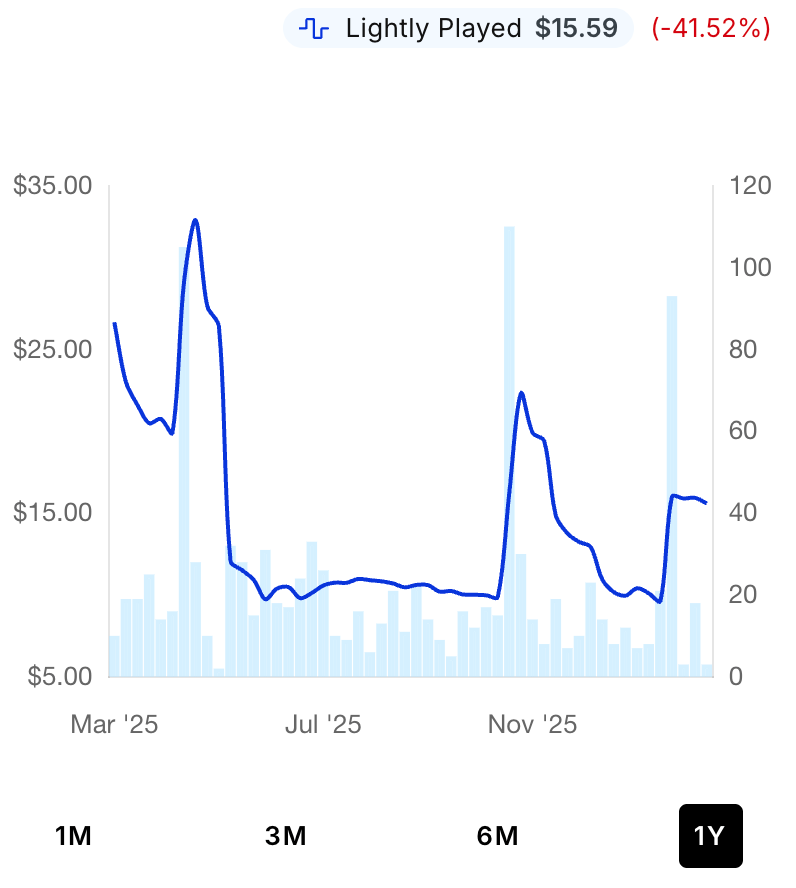
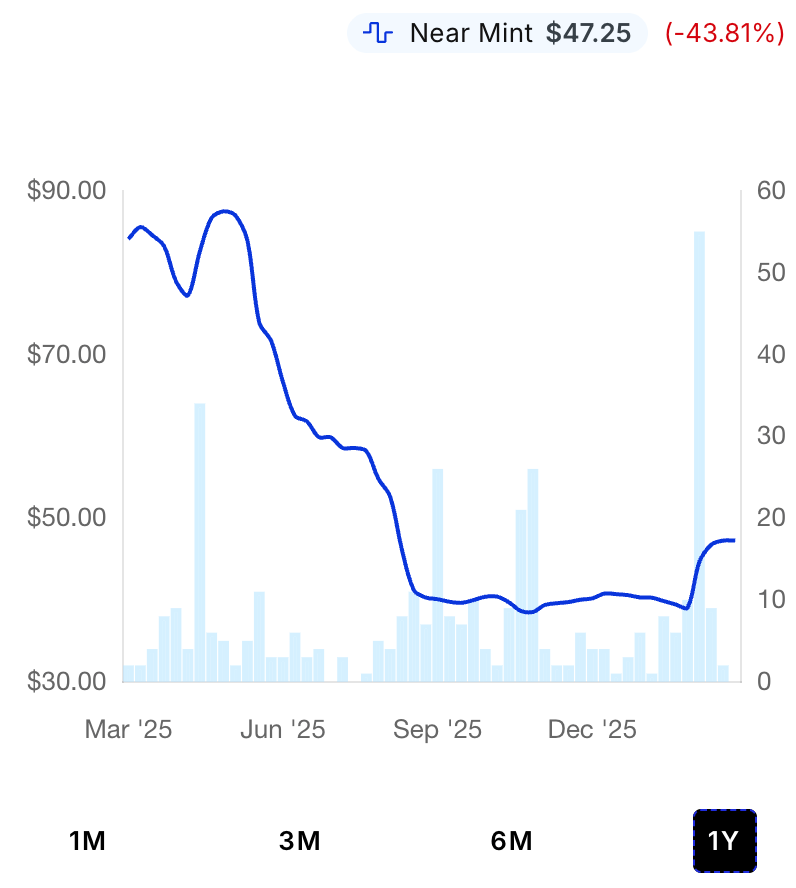
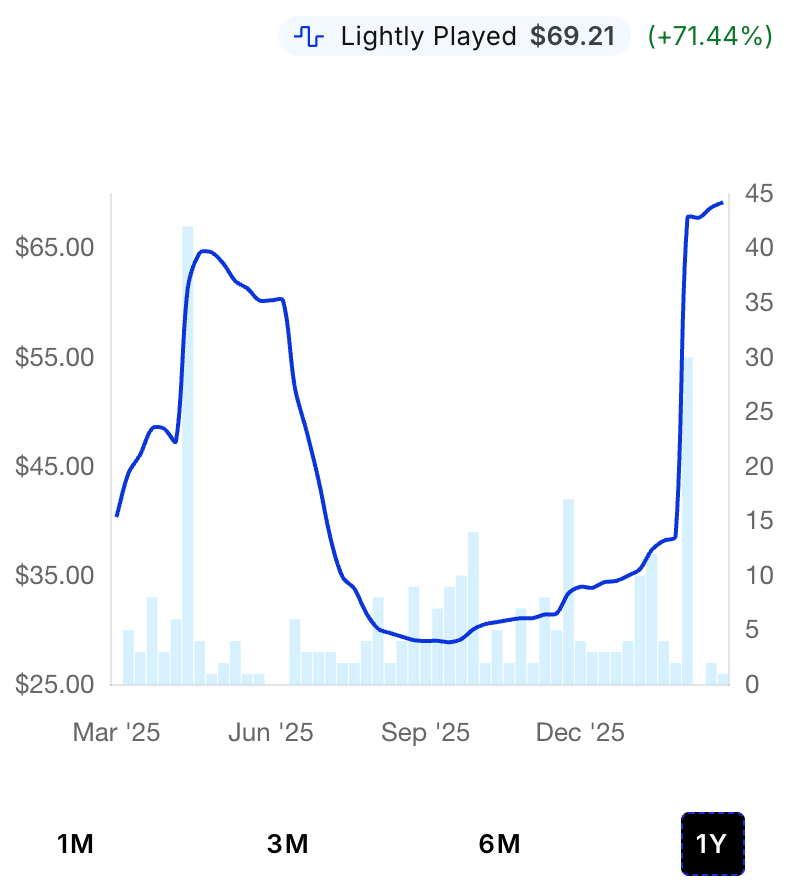

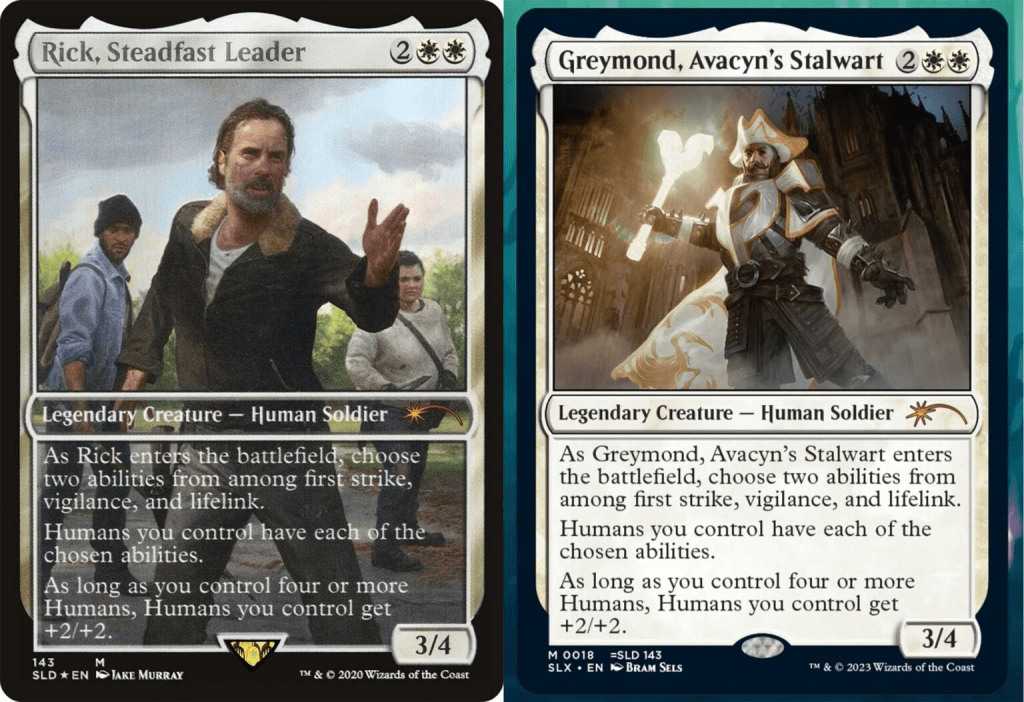
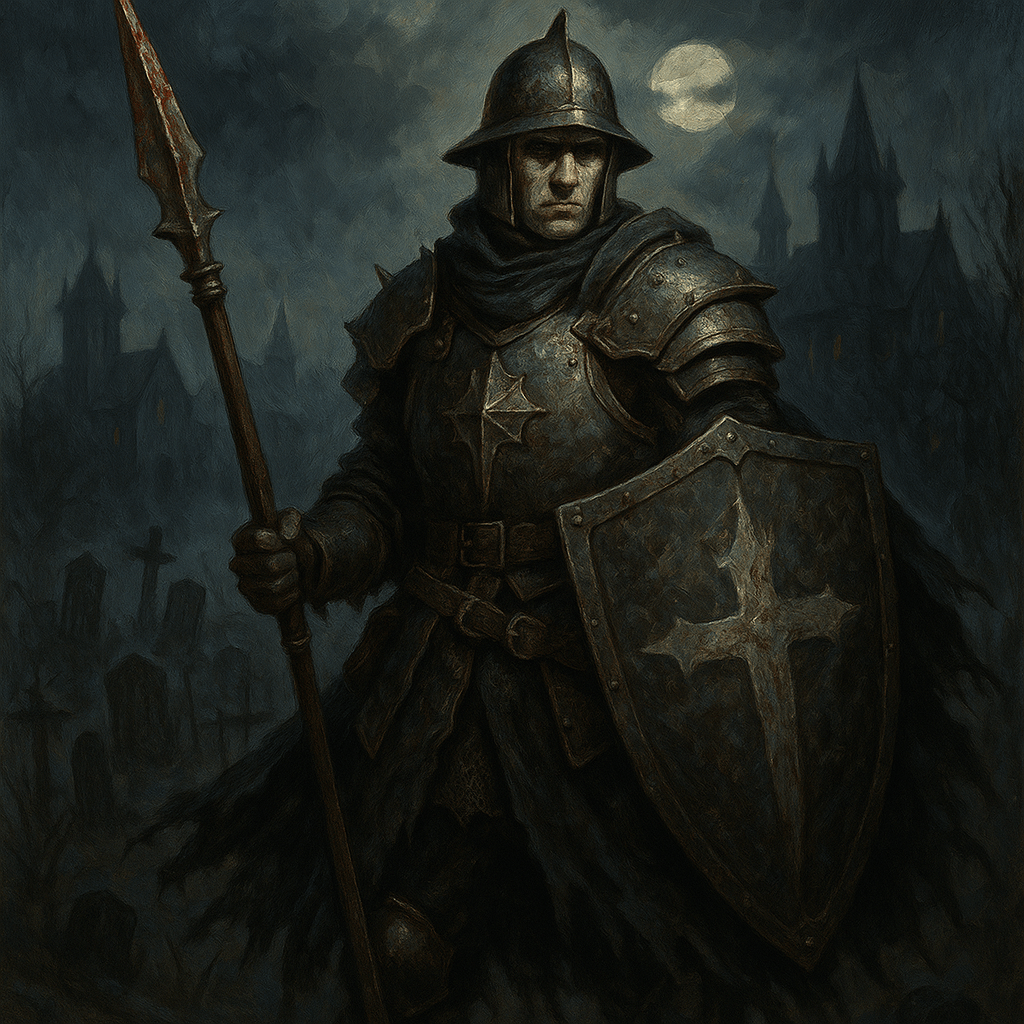

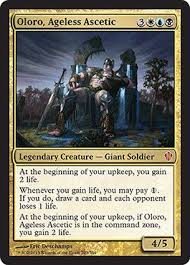
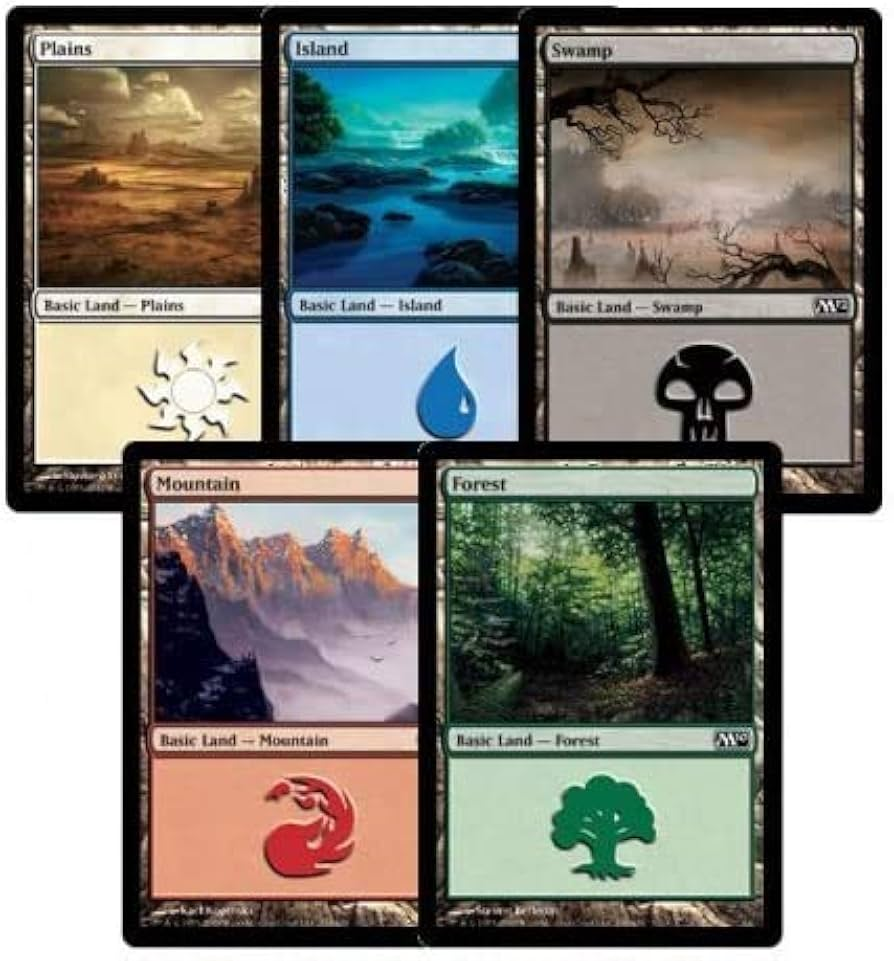
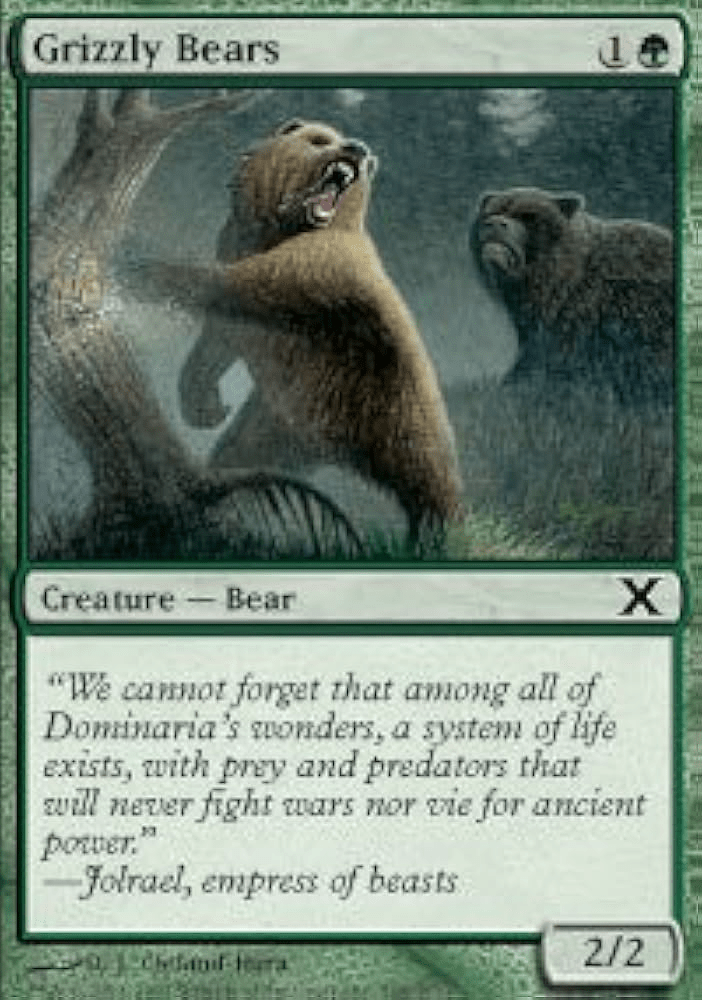
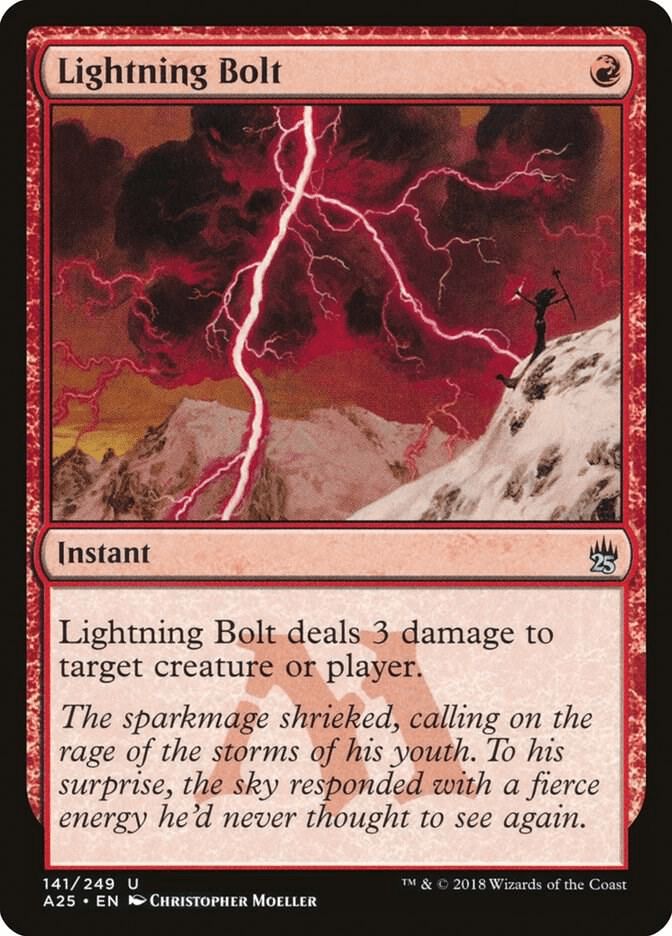
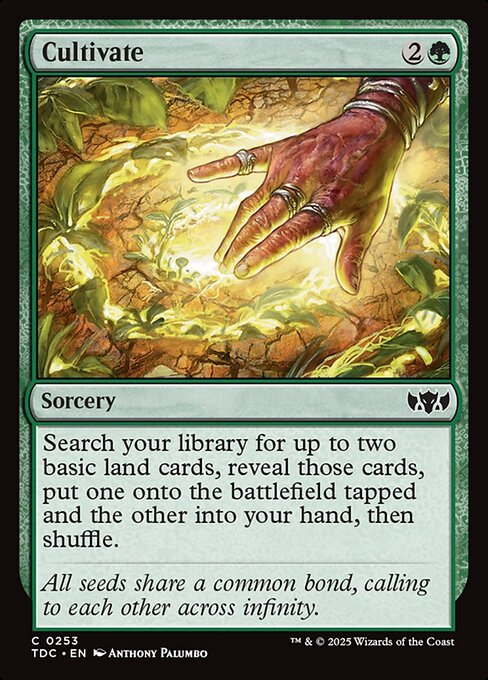
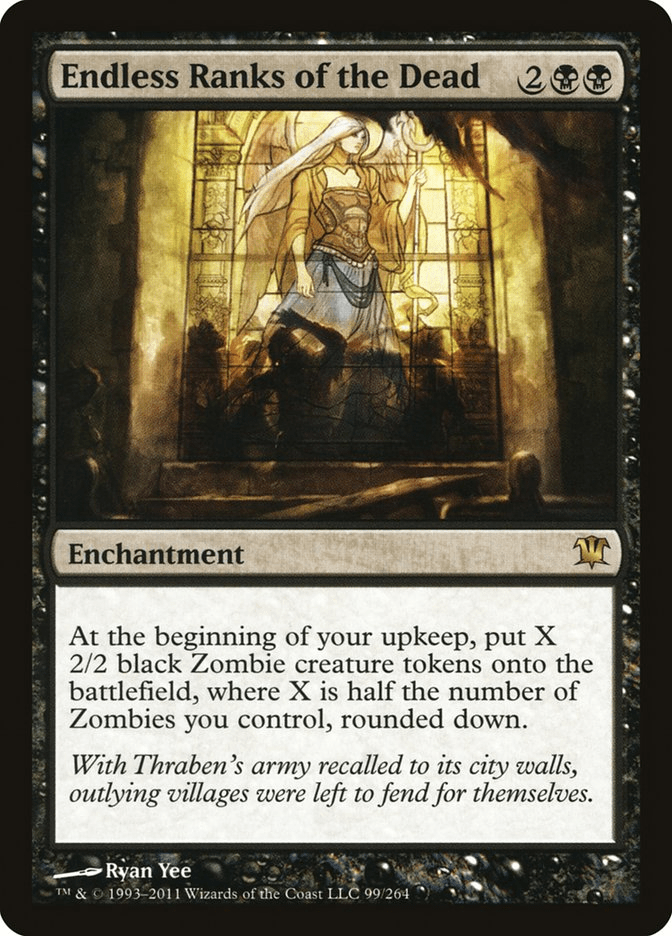
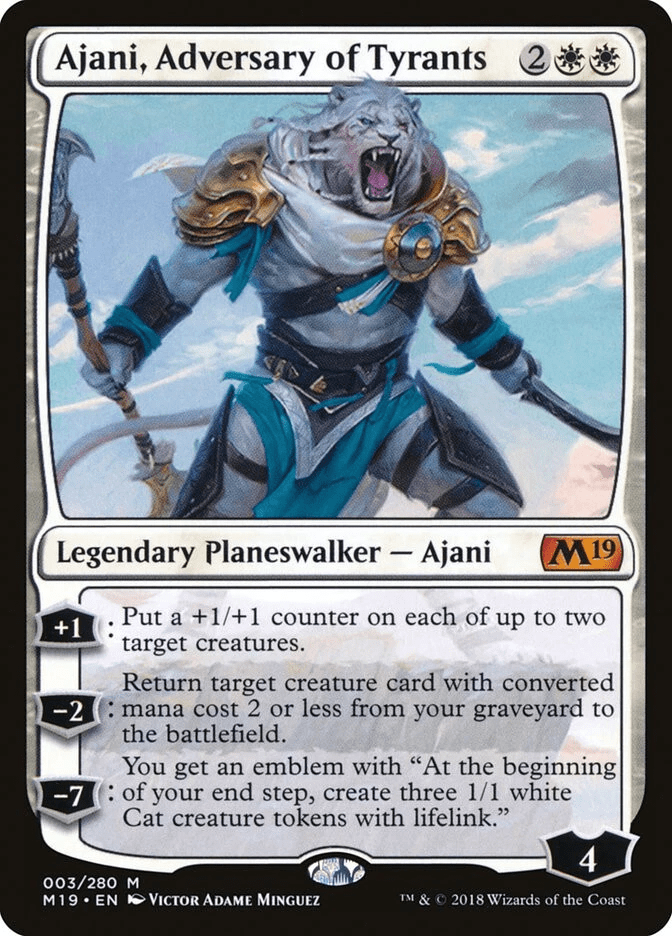
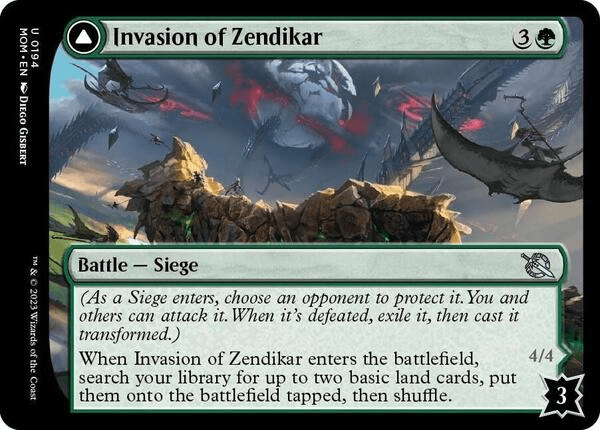
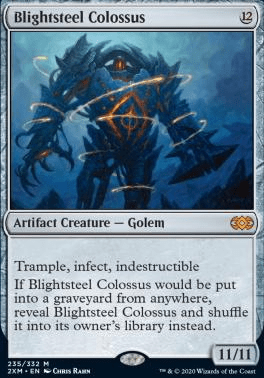
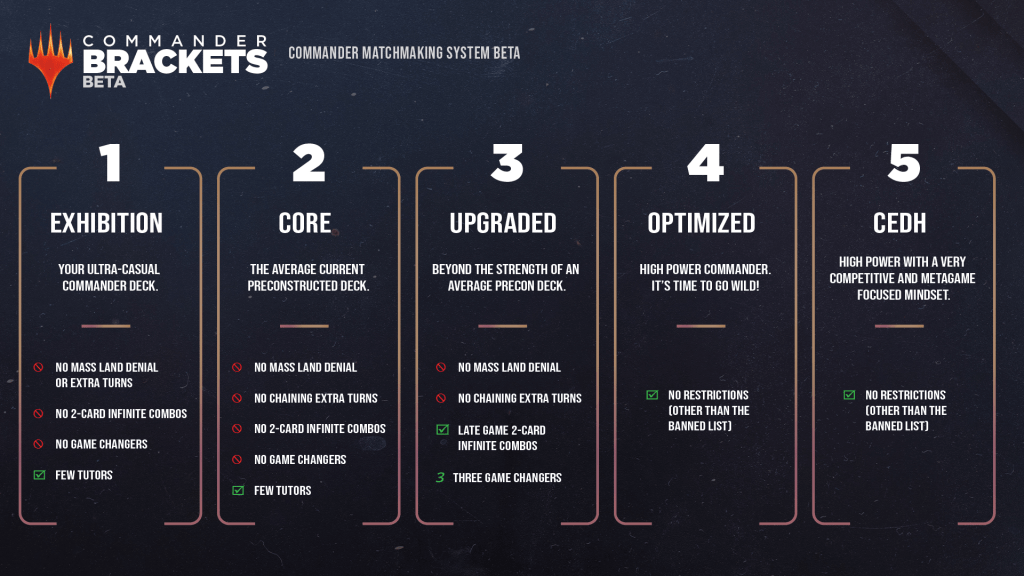
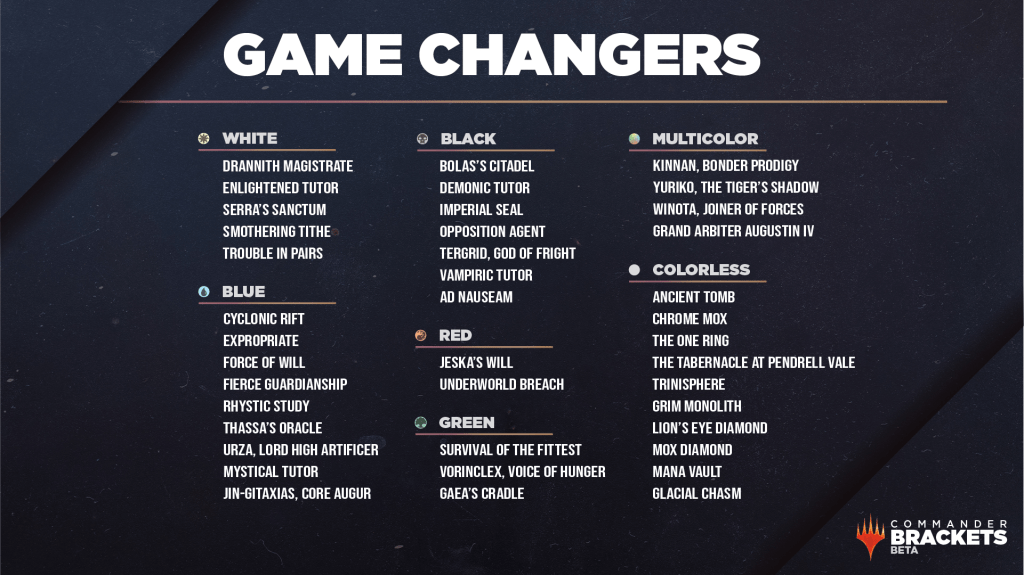
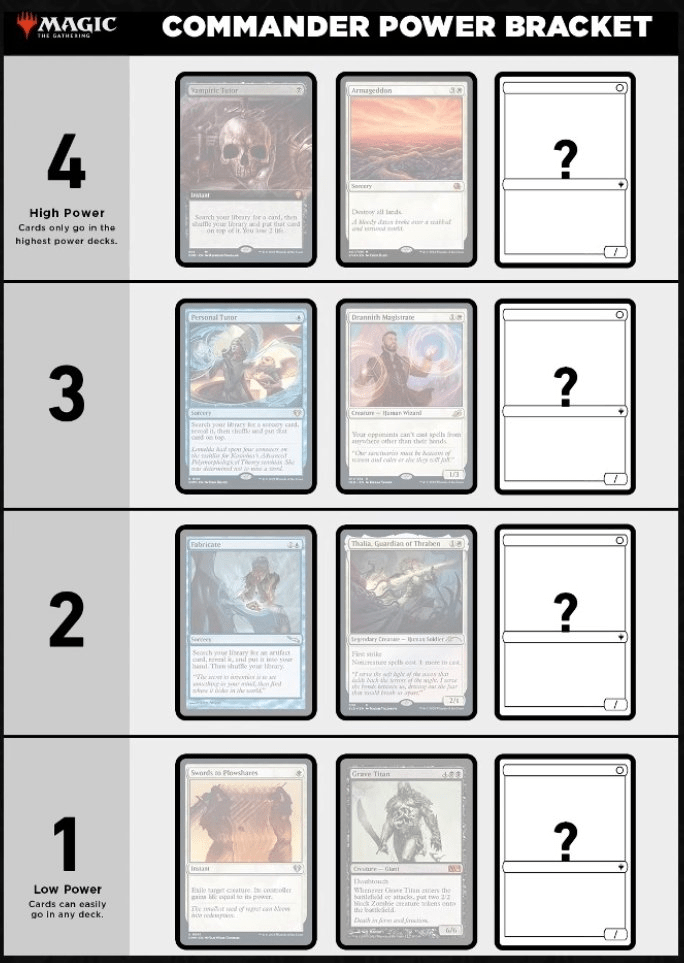
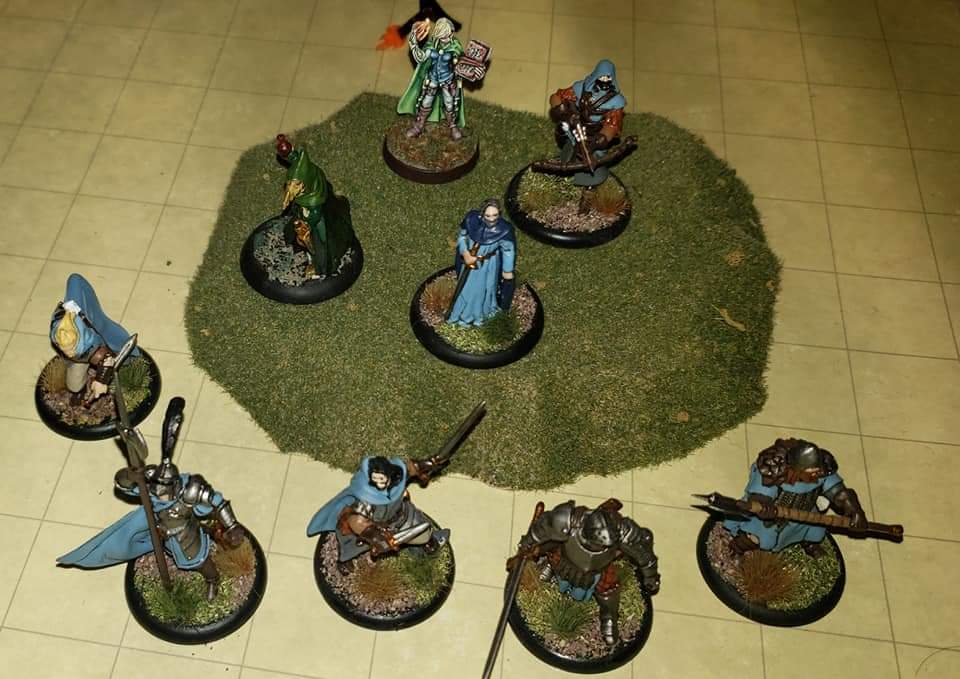
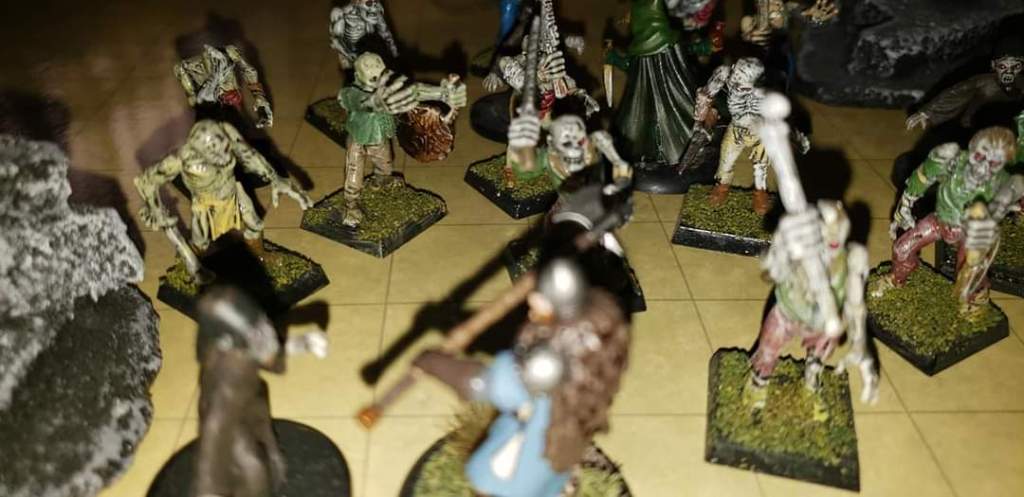


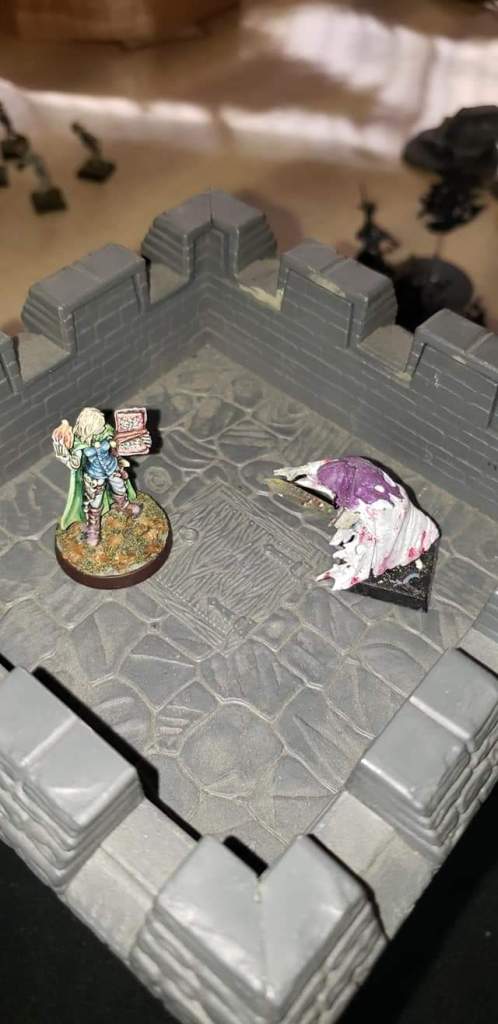
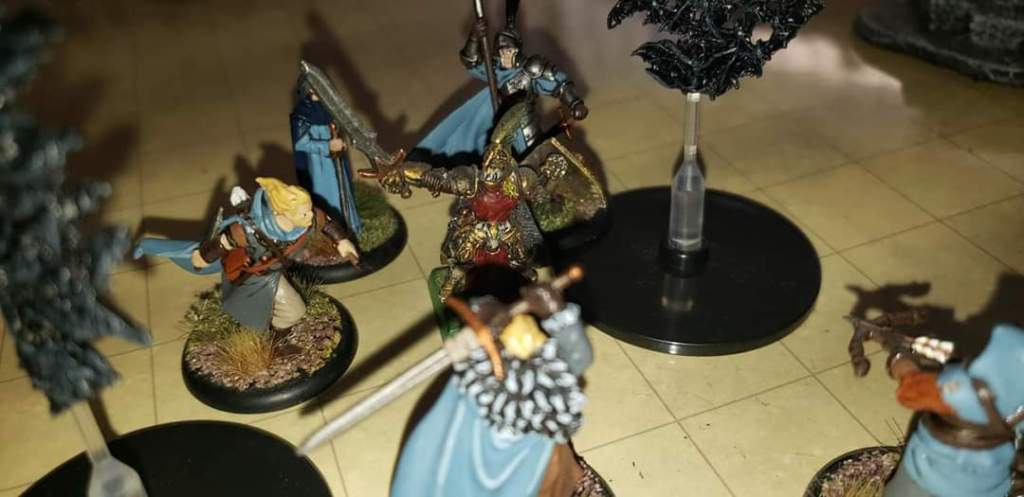


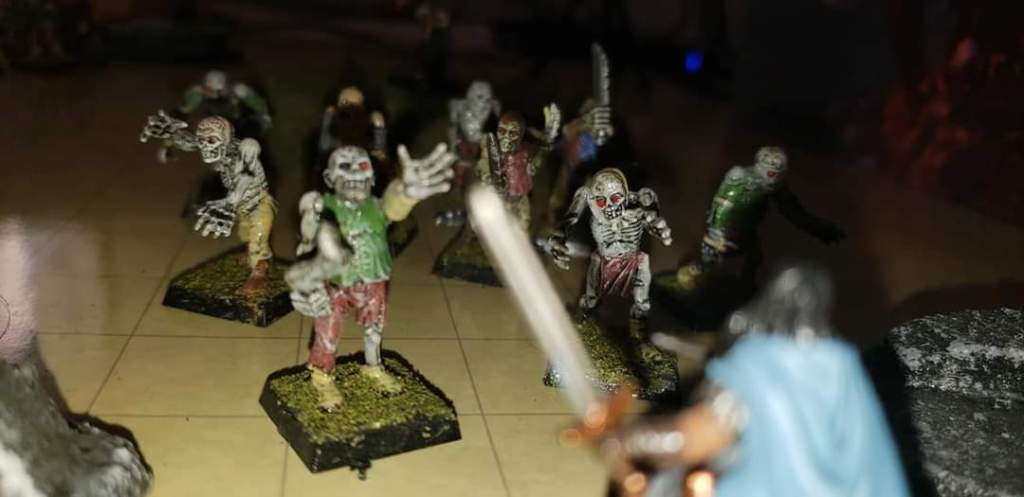
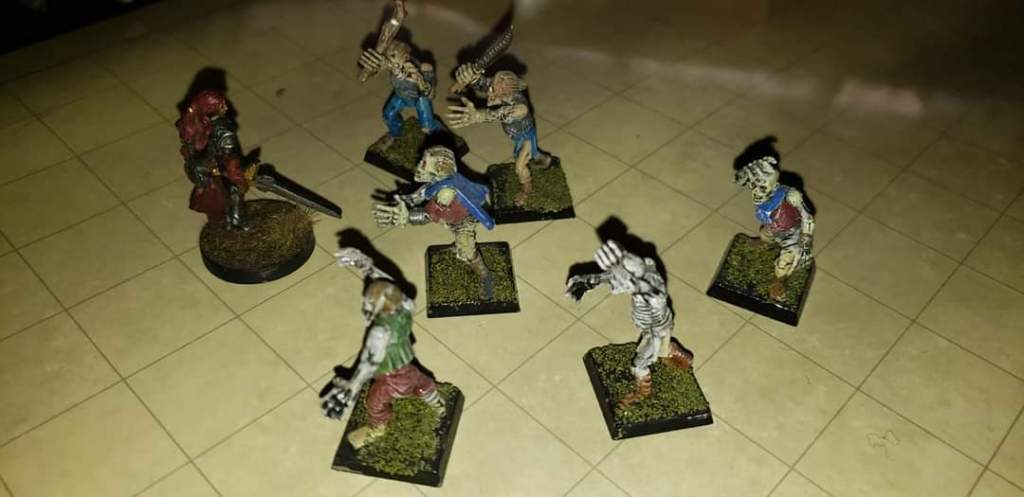
 Osogladiator